+1 845 259 2974 (11 a.m to 7 p.m CST)

3 Things Parents Should Know Before Enrolling their Kids in a School
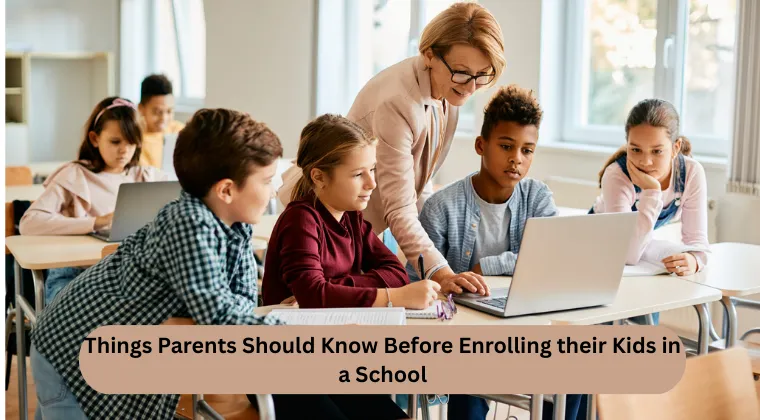
Choosing a school for your child can feel heavy. It is one of those decisions that sits quietly in your mind even when you are doing something else. You might find yourself thinking about it while making dinner, driving somewhere, or watching your child play. Parents often wonder if they are making the right choice, because deep down we all know that school shapes more than grades. It shapes confidence, friendships, habits, and sometimes even how a child sees themselves.
There is no perfect checklist that guarantees success. Every child is different, every family has different values, and every school has its own strengths and weaknesses. Still, there are a few important things that parents should understand before enrolling their children. These are not just practical points. They are emotional ones too, because school becomes part of your child’s daily life in ways you may not expect.
Let’s talk about three honest things that can help you make a more thoughtful decision.
A School’s Atmosphere Matters Just as Much as Academics
Most parents begin by looking at exam results or rankings. That makes sense. We want our children to learn well and have opportunities in the future. But academics alone do not tell the full story.
Children spend many hours at school every day. The atmosphere they experience there influences how safe they feel, how confident they become, and whether they actually enjoy learning.
Emotional Safety Is Not a Small Thing
When a child feels emotionally safe, they are more likely to ask questions, try new things, and recover from mistakes. If they feel judged or ignored, even a strong academic programme may not help them thrive.
When visiting a school, try to notice the small moments:
- Do teachers speak kindly to students?
- Do children look relaxed or stressed?
- Are students encouraged to work together?
Sometimes parents walk into a school and simply feel a certain warmth. That feeling should not be ignored.
Teaching Style Can Change Everything
Some schools focus heavily on structure and discipline. Others allow more creativity and independence. Neither approach is automatically right or wrong.
Think about your child’s personality. A quiet child might need gentle encouragement rather than constant competition. A curious child might benefit from project-based learning rather than strict memorisation.
Look into:
- Class size
- Homework expectations
- Extracurricular activities
- Opportunities for creativity
Learning should feel meaningful, not just pressured.
Teachers Are Central to the Experience
A caring teacher can change a child’s entire school journey. Parents should explore how teachers communicate and how accessible they are.
Ask questions like:
- How often do teachers update parents?
- Can parents easily discuss concerns?
- How are struggling students supported?
A school where teachers and parents work together usually creates a stronger support system.
Different Types of Schools Offer Different Experiences
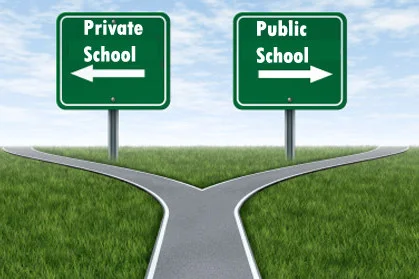
Many families feel stuck choosing between public and private schools. Some assume private schools are always better. Others believe public schools provide stronger social development. The truth lies somewhere in between.
What matters most is whether the environment suits your child.
Public Schools
Public schools often provide a diverse environment. Children meet classmates from different backgrounds, which can build empathy and social understanding.
Some advantages include:
- Lower cost
- Exposure to different perspectives
- Community connection
However, class sizes may be larger, and resources vary depending on location.
Private Schools
Private schools may offer smaller classes or specialised programmes. Some parents prefer the structured environment and additional facilities.
Possible benefits:
- More individual attention
- Focused curriculum
- Extra academic or creative opportunities
But a more structured setting may not suit every child. Some children feel pressure if expectations are too intense.
If you are unsure how to compare, this detailed guide explains the differences between public and private schooling in a practical way.
Alternative Learning Options
Homeschooling or hybrid models are becoming more common. These options allow flexibility but require strong involvement from parents.
Consider:
- Social interaction opportunities
- Structure and routine
- Time commitment
Choosing a school is not about following trends. It is about understanding your child.
Social Life and Peer Pressure Can Shape Your Child More Than You Expect
Many parents focus heavily on academics during the selection process, but social experiences often define how a child feels about school.
Friends Influence Behaviour
Children naturally want to belong. Positive friendships can build confidence and emotional strength. Negative social circles can create stress or lead to unhealthy choices.
While visiting a school, observe:
- How students treat each other
- Whether teamwork is encouraged
- How teachers handle conflict
These details reveal a lot about the school culture.
Social Media Has Changed Peer Pressure
Today’s children live partly online. Social media introduces new pressures that did not exist before. Students may compare themselves with others constantly or feel pressure to present a certain image.
Parents should understand how online environments affect school life. This article explains how social media plays a role in peer pressure among young people
Schools that teach digital responsibility help children develop healthier habits with technology.
Emotional Support Systems Matter
Ask whether the school offers:
- Counselling or wellbeing services
- Anti-bullying policies
- Mentorship programmes
Children need to know that support exists when things feel overwhelming.
Finding the Right Fit Instead of the Perfect School
Many parents search for the perfect school. Honestly, perfection rarely exists. Every option has advantages and limitations.
Instead of chasing perfection, focus on finding the right fit.
Understand Your Child’s Personality
Is your child shy or outgoing? Do they enjoy structure or creativity? Are they sensitive to pressure?
These questions matter more than reputation alone.
Include your child in conversations if possible. Feeling heard makes transitions easier.
Visit Schools More Than Once
A single visit may not reveal everything. Attend open days, talk with other parents, and observe real interactions.
Notice:
- Classroom atmosphere
- Student behaviour
- Teacher attitudes
These subtle details can be more meaningful than statistics.
Try Not to Compare Constantly
It is easy to feel pressure when other parents share their choices. Remember that each child’s journey is unique. Comparing too much can make the process feel overwhelming.
Trust your instincts, even if they feel imperfect.
Supporting Your Child After Enrolment
Choosing a school is only the beginning. Your ongoing support remains important.
Keep Communication Open
Ask simple, gentle questions:
- What was the best part of your day?
- Did anything feel difficult?
- Who did you talk to today?
These conversations help children feel safe sharing their experiences.
Encourage Balance Outside School
Hobbies, family time, and creative activities help children develop confidence beyond academics. Life should not revolve entirely around school performance.
Sometimes parents still wonder if they made the right choice. That feeling is normal. Parenting often includes moments of doubt and quiet hope. You may lie awake thinking about whether your decision will help your child grow into a happy adult. That emotional weight shows how deeply you care, and that care already makes a difference.
Final Thoughts
Choosing a school is both practical and deeply emotional. You are not just selecting a building or curriculum. You are choosing an environment where your child will learn, laugh, struggle, and grow.
Look beyond rankings. Pay attention to atmosphere, teaching style, social culture, and emotional support. The right school is the one where your child feels seen and supported, not just academically but as a whole person.
At the end of the day, children do not remember only lessons or exams. They remember how they felt. They remember whether someone listened to them, encouraged them, or made them feel like they belonged. And when you choose with care and compassion, even if the decision feels slig