+1 845 259 2974 (11 a.m to 7 p.m CST)

Top 5 Discipline Mistakes Parents Make
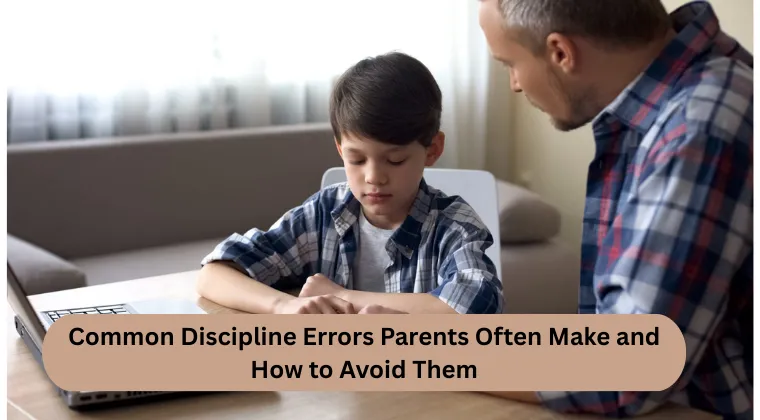
Parenting rarely follows a neat script. Most mothers and fathers begin with strong intentions. They want to guide their children well, teach them right from wrong, and raise them into responsible adults. Yet in daily life, discipline can become confusing and emotional.
Children test limits. Parents grow tired. Some days patience runs thin. In those moments, discipline may shift from thoughtful guidance into reaction.
Many parents later realise they made certain mistakes. The good news is that discipline errors are common and they can be corrected. With awareness and a few thoughtful adjustments, families can build healthier habits.
This article explores five discipline mistakes many parents make and offers practical ways to handle them more effectively.
Why Discipline Matters in Child Development
Before looking at the mistakes, it helps to understand the purpose of discipline.
Discipline is often confused with punishment. In reality, discipline means teaching. It helps children learn responsibility, self-control, and respect for others.
When done well, discipline builds trust between parents and children. It also prepares children to handle pressure from friends, school environments, and social media influences.
In fact, outside pressures play a large role in shaping young behaviour. Studies and social research show that peer influence can affect how children view themselves and others. For example, discussions about poor body image caused by peer pressure show how outside opinions can deeply affect teenagers. Similarly, many experts now examine how social media contributes to peer pressure among teens.
Strong and thoughtful discipline at home gives children a steady base from which to face these outside influences.
Now let us look at where many parents go wrong.
1. Being Inconsistent With Rules
One of the most common discipline problems is inconsistency.
Parents often create rules but fail to enforce them regularly. A child may be punished for an action one day but ignored the next time.
For example, a parent might say:
“You cannot use the phone after 9 pm.”
The first night the rule is enforced. The second night the parent is tired and lets it pass. Soon the child realises the rule is flexible.
Children are very observant. When rules change frequently, they learn that boundaries are negotiable.
Why This Happens
Inconsistency usually comes from exhaustion. Parenting is demanding. Work, household duties, and personal stress can weaken discipline routines.
Sometimes parents also feel guilty about being strict and soften the rule.
The Effect on Children
When rules shift often, children feel uncertain about limits. Some may push boundaries more aggressively. Others may feel confused about what behaviour is acceptable.
Over time, the child may stop taking rules seriously.
A Better Approach
Parents should focus on clear and simple rules. There should not be too many.
Once a rule is set, it should be applied calmly and consistently.
If the rule truly needs to change, parents can explain the reason. Children respond better when they understand why a rule exists.
Consistency builds trust. It shows children that boundaries are stable and fair.
2. Using Anger Instead of Guidance
Another frequent mistake happens when discipline becomes driven by anger.
A child breaks a rule. The parent reacts immediately with shouting or harsh punishment.
In the heat of the moment, emotions take control.
Why This Happens
Parenting can trigger strong feelings. When a child lies, argues, or refuses instructions, parents may feel disrespected.
Stress from outside life also plays a role. If a parent has had a difficult day, small misbehaviour can feel overwhelming.
The Effect on Children
Children who face constant angry reactions often feel frightened rather than guided.
Instead of learning the reason behind the rule, they focus on avoiding punishment.
Some children also begin copying the same behaviour. They learn that anger is the way problems are solved.
A Better Approach
Parents should pause before reacting.
Taking a few seconds to breathe may feel small, but it can prevent harsh words.
Once calm, parents can explain the problem clearly.
For example:
“You did not finish your homework before watching television. That breaks the rule we agreed on.”
This method shifts discipline from emotional reaction to teaching.
Children respond better to calm explanations because they understand the connection between actions and consequences.
3. Expecting Behaviour Beyond the Child’s Age
Many discipline struggles come from unrealistic expectations.
Parents sometimes expect young children to behave like older ones.
For example, a four year old may be expected to sit quietly for long periods. A seven year old might be punished harshly for forgetfulness.
Yet children develop gradually. Their brains are still learning self control.
Why This Happens
Parents often compare their child to others. They may see another child behaving calmly and expect the same.
Social pressure can also influence expectations.
The Effect on Children
When expectations are too high, children often feel they are constantly failing.
This can damage confidence and create frustration on both sides.
The child may begin to believe they are “bad” rather than simply learning.
A Better Approach
Parents should adjust discipline based on developmental stage.
Young children need reminders, guidance, and repetition. Mistakes are part of learning.
Rather than harsh punishment, gentle correction works better.
For example:
“You forgot to put your toys away. Let us do it together.”
This approach teaches responsibility while still supporting the child.
4. Focusing Only on Punishment
Another mistake is when discipline focuses only on negative behaviour.
Parents may react quickly when a child breaks a rule, yet rarely acknowledge positive behaviour.
Children notice this pattern.
If attention only comes during trouble, they may feel that good behaviour goes unseen.
Why This Happens
Many parents believe praise will spoil a child.
Others simply become busy and forget to recognise positive actions.
The Effect on Children
Without encouragement, children may lose motivation to behave well.
Some may even act out because negative attention is still attention.
A Better Approach
Balanced discipline includes recognition of good choices.
Praise does not need to be dramatic. Simple words can have strong impact.
Examples include:
“Thank you for cleaning your room.”
“I noticed you helped your sister today.”
This type of recognition builds confidence and reinforces the behaviour parents want to see.
Children begin to understand that good actions matter.
5. Not Listening to the Child’s Perspective
Many discipline situations become one sided.
Parents give instructions and expect obedience. When a child objects, the parent may shut down the conversation.
Yet children also have thoughts, emotions, and reasons behind their behaviour.
Why This Happens
Parents often worry that listening will weaken authority.
They may fear that discussion leads to negotiation.
The Effect on Children
When children feel unheard, they may stop communicating openly.
This can create distance between parent and child.
Later in life, this gap may widen during teenage years when peer pressure becomes stronger.
Without strong communication at home, teenagers may turn to friends or social media for guidance.
Research about online behaviour shows how easily teens can be influenced by others, especially in digital spaces.
A Better Approach
Listening does not remove parental authority.
Instead, it builds understanding.
When a child breaks a rule, parents can ask simple questions.
“What happened?”
“Why did you make that choice?”
Sometimes the answer reveals stress, fear, or confusion.
This conversation helps parents guide the child more effectively.
Children who feel heard are more willing to respect rules.
Building Healthy Discipline Habits at Home
Improving discipline does not require perfection. Parenting always involves trial and learning.
However, several habits can strengthen discipline over time.
1. Create Clear Family Rules
Keep rules simple and easy to remember.
Too many rules can confuse children.
2. Stay Calm During Conflict
Calm communication teaches children how to handle frustration.
Children often copy the emotional patterns they see at home.
3. Encourage Open Conversations
When children feel safe speaking honestly, parents gain insight into their world.
This becomes especially important during teenage years.
4. Be a Role Model
Children learn more from observation than instruction.
If parents show patience, honesty, and respect, children are more likely to follow.
5. Adjust Discipline as Children Grow
What works for a five year old may not work for a teenager.
Parenting methods must evolve as children mature.
The Emotional Side of Discipline
Discipline is not only about behaviour.
It also reflects the relationship between parent and child.
Children need to feel loved even when they are corrected. They should understand that discipline comes from care, not rejection.
Sometimes parents worry they are doing everything wrong. That feeling is more common than many admit.
In truth, every family faces difficult moments.
What matters most is the willingness to reflect and improve.
Small changes in daily habits can slowly transform the family environment.
Final Thoughts
Discipline is one of the most challenging parts of parenting. It asks parents to guide behaviour while also protecting the emotional bond with their child.
Mistakes will happen. Even the most thoughtful parents lose patience or question their decisions.
Yet awareness makes improvement possible.
Avoiding common errors such as inconsistency, anger driven reactions, unrealistic expectations, punishment focused discipline, and lack of listening can bring meaningful change.
Children raised with steady guidance grow stronger in their confidence and judgement. They are also better prepared to face pressures from peers, school, and online environments.
Parenting is not about perfection. It is about learning alongside your child and growing together with patience, care, and understanding.