+1 845 259 2974 (11 a.m to 7 p.m CST)

How to Raise a Bully-Proof Kid?
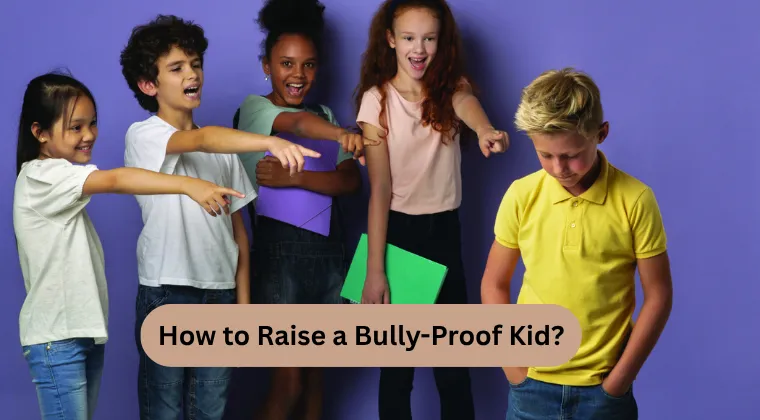
Every parent wants their child to feel safe. We want them to feel happy, valued, and respected. We want them to walk into a room without fear.
But the truth is simple. The world is not always kind. Children may face teasing, mean words, or unfair treatment. Sometimes it happens at school. Sometimes it happens online. And sometimes, it happens in places where we least expect it.
You cannot remove every problem from your child’s life. That is not possible. But you can prepare them. You can raise a child who knows their worth. A child who can speak up. A child who does not break easily when someone is unkind.
This is what it means to raise a bully-resistant child.
What Bullying Really Is
Bullying is not just a joke. It is not a one-time argument. It is repeated behaviour that is meant to hurt someone.
It can be physical, like pushing or hitting. It can be verbal, like name-calling. It can also be emotional, like ignoring someone or spreading rumours.
In today’s world, bullying also happens online. A few messages can cause deep pain.
Sometimes, bullying starts at home. Sibling fights can turn serious if they are not handled properly. A child who feels hurt at home may carry that pain outside.
You can read more about this here: Sibling aggression and bullying in the family
Understanding bullying is the first step. When you understand it, you can guide your child better.
A Safe Home Builds a Strong Child
Home is the first place where a child learns about love and respect. If a child feels safe at home, they feel stronger outside.
Listen Without Judging
When your child speaks, listen carefully. Do not interrupt. Do not dismiss their feelings.
Even if the issue seems small to you, it is big for them.
Say simple things like, “I am glad you told me.” These words build trust.
When children feel heard, they open up more.
Help Them Understand Their Feelings
Children often feel confused about their emotions. They may feel upset but not know how to explain it.
Ask gentle questions. Ask if they feel sad, angry, or scared.
This helps them understand what is happening inside them. When they understand their feelings, they can control them better.
Confidence Grows Over Time
Confidence is not something you give. It is something a child builds.
Let Them Try on Their Own
It is natural to want to protect your child. But doing everything for them can make them weak.
Let them try. Let them make mistakes.
If they fall, guide them. Do not rush to fix everything.
This teaches them an important lesson. They learn that they can handle problems.
Encourage Small Decisions
Let your child make small choices. Ask them what they want to wear or how they want to solve a problem.
This builds independence. It also helps them trust their own thinking.
A child who trusts themselves is harder to bully.
Teach Them to Speak Up
Children must know that their voice matters.
Give Them Simple Words
Teach them clear and simple sentences. For example, “Stop. I don’t like that.”
Practice these words at home. Say them together.
When children practise, they feel more confident using these words in real life.
Use Role Play
Act out situations at home. Pretend someone is teasing them. Let your child respond.
This makes real situations less scary. They already know what to say.
Help Them Build Healthy Friendships
Friends can make a big difference in a child’s life.
A good friend supports and respects. A bad friend can hurt and control.
Talk About Real Friendship
Explain what a good friend looks like. A good friend listens. A good friend is kind.
Ask your child how they feel around their friends.
If they feel uncomfortable, help them understand why.
Teach Them to Walk Away
Sometimes, the best choice is to leave.
Not every situation needs a fight. Walking away is not weakness. It shows strength and control.
When Your Child Faces Bullying
Even strong children face difficult moments.
Stay Calm First
When your child tells you about bullying, you may feel angry. That is normal.
But try to stay calm. Your reaction affects your child.
Listen fully. Let them speak without fear.
Take Action When Needed
If bullying continues, speak to teachers or school staff.
Share clear details. Work together to solve the problem.
Your goal is not to fight. Your goal is to protect your child.
Teach Kindness Along With Strength
A strong child should also have a kind heart.
Explain that some children bully because they are struggling inside. This does not make their actions right, but it helps your child stay balanced.
Kindness keeps your child from becoming bitter.
The Long-Term Impact of Bullying
Bullying does not always end in childhood. It can affect behaviour later in life.
Some children who are not guided properly may develop anger or harmful habits.
You can explore this topic here: Juvenile delinquency and what drives teens toward crime
This shows why early teaching is so important.
Be the Example Your Child Needs
Children learn by watching you.
If you handle problems calmly, they will learn to do the same.
If you shout or react harshly, they may copy that behaviour.
Try to show patience. Speak with respect. Solve problems peacefully.
Your actions shape your child more than your words.
Teach Online Safety
Today, children spend time online. This brings new risks.
Teach your child simple rules. Do not share personal information. Do not reply to hurtful messages.
Tell them to block and report anyone who is unkind.
Most importantly, make sure they feel safe coming to you.
Build Inner Strength
Real strength comes from inside.
Teach Positive Thinking
Children often believe negative things about themselves.
Help them change these thoughts. If they say, “I can’t do this,” guide them to say, “I will try again.”
This builds a stronger mindset.
Praise Effort Every Day
Do not only praise success. Praise effort.
Say things like, “You worked hard.” This helps your child value effort over results.
Over time, this builds true confidence.
Watch for Silent Signs
Not all children speak when they are hurting.
Watch their behaviour. Notice small changes.
If your child becomes quiet, avoids school, or seems sad often, pay attention.
Talk to them gently. Give them time to open up.
If needed, seek professional help. There is no shame in asking for support.
A Truth Many Parents Feel
You cannot always be there. That thought can feel heavy.
There will be moments when your child faces something alone.
But if you have taught them well, they will not be helpless.
They will remember your words. They will remember your support.
And they will find the strength to stand.
Final Thoughts
Raising a bully-resistant child is not about making them tough. It is about making them secure and confident.
It is about teaching them simple truths. That they matter. That they deserve respect. That they can handle problems.
There will be hard days. There will be moments when your child feels hurt. And there will be moments when you feel helpless too.
But if your child trusts you, that is everything.
That trust means they will come to you. They will share their pain. They will not carry it alone.
And slowly, with time, care, and patience, your child will grow into someone who can face the world with courage, with kindness, and with quiet strength.