+1 845 259 2974 (11 a.m to 7 p.m CST)

Who is the Fairest of Them All?

There is a question many parents never say out loud. It sits quietly in their minds. Are teenagers losing to drugs?
At first, it may seem like a simple issue. Some teens make bad choices, while others stay away. But real life is not that neat. The truth is softer, and also more painful. Most teenagers do not choose drugs because they want to ruin their lives. They turn to them because something inside feels heavy, something they do not know how to handle. In that moment, drugs can look like an easy answer.
What Teenage Life Really Feels Like
Being a teenager is not easy. It may look fun from the outside, with school, friends, and laughter. But inside, it can feel confusing. Teenagers are still growing, not just physically but mentally too. Their brains are still learning how to make good decisions, which means they often act on feelings first and think later.
At the same time, life keeps asking more from them. They must do well in school, fit in with friends, look a certain way, and behave properly at home. It becomes a lot to carry. When pressure builds up, they look for ways to release it. Some talk, some cry, and some write. But some turn to drugs.
How It Usually Starts
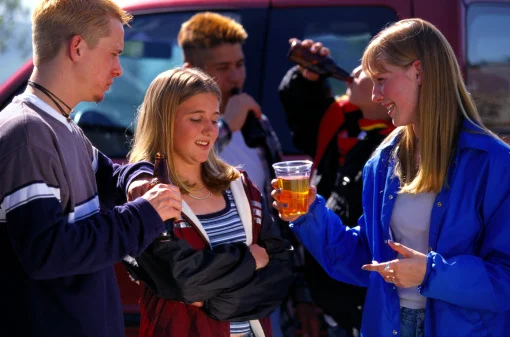
Drug use rarely begins in a dark or dangerous place. It often starts somewhere very normal, like a friend’s house or a casual gathering. Someone offers something and says it is not a big deal. They laugh, they act relaxed, and they make it seem harmless.
The teenager hesitates, but then comes a thought. What if I say no and they laugh at me? That small moment can change everything.
The Power of Peer Pressure
Friends have a strong influence during teenage years, sometimes even stronger than family. Teenagers want to belong, and that feeling can guide many of their decisions. This is not always direct pressure. No one needs to force them. Just watching others is enough.
Social media has made this even stronger. Teenagers now see what others are doing all the time and begin to compare their lives.
You can read more about this here peer pressure and teens social media is the culprit
When risky behaviour looks common online, it starts to feel normal. And when something feels normal, it becomes easier to try.
When Fitting In Feels More Important Than Safety
Teenagers often fear being left out, and that fear can feel worse than making a bad choice. If everyone around them is doing something risky, refusing can make them feel alone or judged. So instead of saying no, many say yes, not because they truly want to, but because they want to stay part of the group.
The Hidden Struggle With Self-Image
There is another reason that often goes unnoticed. It is how teenagers see themselves. Many young people struggle with body image. They compare themselves with others and feel they are not good enough. This can lead to sadness, anxiety, and low confidence.
Some drugs are used to feel better, while others are used to escape or forget.
You can explore this idea here is poor body image caused by peer pressure
When a teen feels unhappy with themselves, they may look for anything that offers even a short break from those feelings.
It Is Not Just About “Bad Kids”
There is a common misunderstanding that only “troubled” teens use drugs. This is not true. Drug use can happen in any family, any school, and any background. A quiet student, a high achiever, or a well-behaved child can all struggle. Sometimes, those who seem the strongest are hiding the most.
The Emotional Side No One Sees
Behind drug use, there is often emotion. Not excitement or rebellion, but pain. A teenager may feel lonely, ignored, stressed, or overwhelmed. They may not have the words to explain these feelings, so they keep them inside.
Drugs can feel like a way to silence that noise, even if only for a short time.
Why Saying No Feels So Hard
Adults often say, “Just say no,” but for a teenager, it is not that simple. Saying no can mean losing friends, feeling embarrassed, or being excluded. That feels like a big loss.
So even if they know something is wrong, they may still go along with it. Not because they are weak, but because they are human.
From Trying Once to Needing It
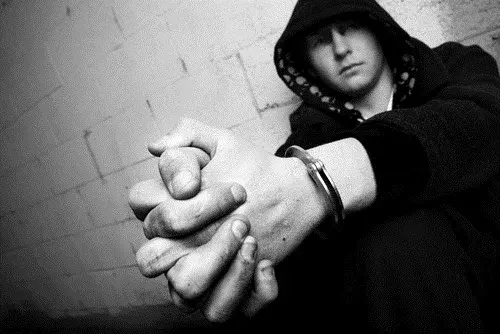
Not every teen who tries drugs becomes addicted, but the risk is real. The teenage brain is still developing, and drugs can affect how it works.
At first, it may feel like fun. Then it becomes a habit, and slowly it can turn into a need. This change is not always obvious. It happens quietly over time.
Signs That Something May Be Wrong
Parents often miss the early signs, not because they do not care, but because the changes are small at first. A teenager may have mood swings, lose interest in hobbies, or start doing poorly in school. They may become more secretive or change their sleeping patterns.
These signs do not always mean drug use, but they should not be ignored.
The Impact on Family
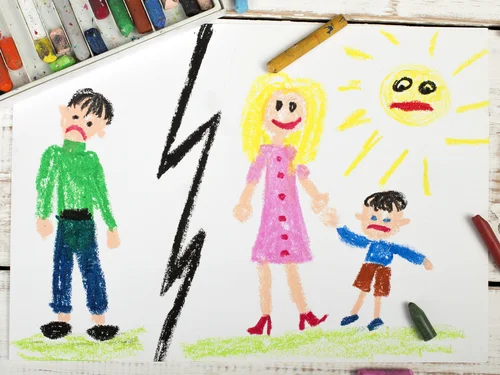
When a teenager struggles with drugs, the whole family feels it. Parents feel worried, siblings feel confused, and the home environment changes. There may be arguments, silence, or distance.
Parents often blame themselves and ask if they could have done something differently. But this issue is complex. It is not caused by one single mistake.
What Actually Helps Teens
The solution is not fear or punishment alone. What helps most is connection. Teenagers need to feel safe when they talk. They need to know they will be heard without immediate judgement.
Simple actions can make a difference. Listening calmly, spending time together, and being present all matter. Even small conversations can help more than we think.
Honest Education Matters
Telling teens that drugs are bad is not enough. They already hear that. What they need is honest information. They need to understand what drugs do to their body and mind, and how addiction develops.
When they understand the reality, they are more likely to think carefully.
Building Confidence as Protection
Confidence can protect teenagers in many ways. A young person who feels secure is less likely to follow harmful paths. This confidence comes from support, encouragement, and feeling accepted.
When teens feel valued, they do not need to prove themselves through risky behaviour.
The Role of Schools and Society
Schools should not only focus on academic success. They should also teach life skills. Teenagers need to learn how to handle pressure, manage emotions, and make safe choices.
Society also needs to be more understanding. Instead of judging teenagers, we need to listen to them.
So, Who Really Wins?
If we return to the question, the answer becomes clear. No one wins. Not the teenager, not the friend who influenced them, and not the system that ignored the signs.
The only real win is when a teenager finds a better path. When they choose help, feel understood, and learn healthier ways to cope.
A Final Thought
If we look closely, this issue is not only about drugs. It is about feelings that go unheard and pressure that goes unnoticed. Teenagers are trying to find their place in a world that often feels too fast and too demanding.
Drugs are not the starting point. They are the result.
If we want to change the ending, we must start earlier. We must listen more, judge less, and care more deeply. Because sometimes, one honest conversation can stop a long and painful journey before it even begins.
And that might be the real win.