+1 845 259 2974 (11 a.m to 7 p.m CST)

Study Links Peer Pressure With Watching Porn
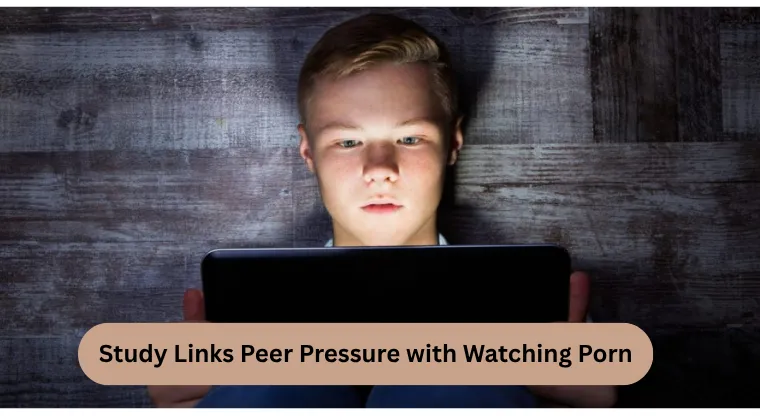
Teen life is not simple. Young people are always trying to fit in, be accepted, and feel like they belong. In this process, they often look at what their friends are doing. Sometimes, this leads to good habits. Other times, it can lead them into things they are not ready for.
One area that is often ignored is pornography. A number of studies now suggest that peer pressure plays a strong role in why teens start watching porn. It is not always about curiosity. Many times, it begins because of friends.
This is not an easy topic to talk about. It can feel uncomfortable. Still, it is important to understand what is really happening.
What Peer Pressure Looks Like Today
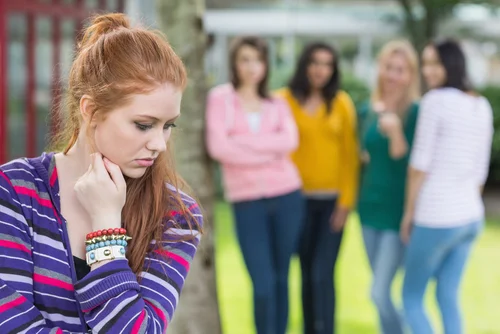
Peer pressure is not always direct. It does not always sound like someone saying, “You have to do this.”
Today, it is more quiet and indirect.
It can look like:
- Friends sharing videos in a group chat
- Someone joking about adult content
- A casual question like, “Haven’t you seen this yet?”
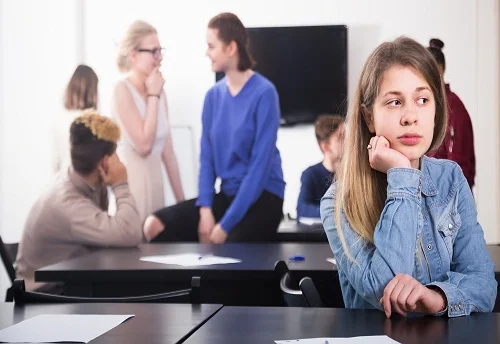
- Feeling left out of conversations
Social media has made this even stronger. Teens are always connected. They see what others are watching and talking about.
To understand this better, you can read this: peer pressure and teens social media is the culprit
Even small things can create pressure. A teen may feel they need to watch something just to be part of the group.
What Studies Are Finding
Research shows a clear pattern. Many teens are introduced to porn through friends.
Some common findings include:
- Teens are more likely to watch porn if their friends do
- First exposure often comes from shared links
- Some watch it just to avoid feeling left out
- Others feel they will be judged if they say no
This is not always forced. No one may say, “You must watch this.” But the pressure is still there.
A teen may simply think, “Everyone else is doing it. Maybe I should too.”
The Feelings Behind the Choice
This is the part people often miss.
Not every teen is comfortable with what they watch. Some feel uneasy. Some feel guilty. Others feel confused.
But they still continue.
Why?
Because they want to belong.
There is also fear. Fear of being laughed at. Fear of being called immature. Fear of being different.
So they stay quiet. They go along with it.
Inside, they may feel upset, but they do not say it out loud.
Curiosity and Comparison
Teen years are full of questions. Young people want to understand relationships, bodies, and emotions.
This is natural.
But when curiosity mixes with peer pressure, things can get messy.
A teen may:
- Hear friends talking about certain videos
- Feel curious but unsure
- Search for answers online instead of asking someone they trust
Then comparison starts.
They may compare themselves with what they see. This can affect how they feel about their body and their self-worth.
This article explains that connection clearly: is poor body image caused by peer pressure
Why Groups Make It Stronger
People behave differently in groups. Teens are no exception.
In a group setting:
- Things feel more normal
- Responsibility feels shared
- Saying no becomes harder
Sometimes, watching such content even becomes a group activity. This makes it feel like a normal part of friendship.
But not every teen is okay with it. Many just go along with the group.
Easy Access Makes It Worse
In the past, access to such content was limited. Today, it is everywhere.
With a phone and internet, teens can find anything in seconds.
Private browsing and messaging apps make it easy to hide.
This means:
- Exposure can happen early
- Content can be shared quickly
- There are fewer barriers
When you combine easy access with peer pressure, the risk increases.
Effects on Teens
Not all teens react in the same way. But there are some common effects.
Unrealistic ideas
Teens may start to believe that what they see is normal.
Confusion
They may not understand the difference between real life and media.
Pressure to act
hey may feel they need to behave in certain ways.
Emotional stress
Some feel guilt, shame, or discomfort.
These effects can build slowly. They may not show right away.
Why Teens Stay Silent
Many teens do not talk about this.
They stay quiet because:
- They feel embarrassed
- They are scared of getting in trouble
- They think adults will not understand
- They do not know how to start the conversation
- This silence makes things harder.
- Without guidance, they rely on friends or the internet.
What Parents Can Do
Parents often feel worried when they think about this topic. That is natural.
But reacting with anger or strict rules may not help.
A better approach is calm and open.
Parents can:
- Talk without judging
- Ask simple questions
- Listen carefully
- Stay patient
These talks may feel awkward at first. That is normal. What matters is that the door stays open.
The Role of Education
Teens need clear and simple guidance.
They need to understand:
- The difference between media and real life
- What healthy relationships look like
- How to stay safe online
This does not mean giving too much detail. It means giving the right information at the right time.
When teens understand things better, they are less likely to follow pressure blindly.
Helping Teens Say No
Saying no is not easy for a teenager. It takes confidence.
Parents and teachers can help by:
- Practising real-life situations
- Encouraging independent thinking
- Building self-confidence
- Giving support without pressure
- Even small support can make a big difference.
The Role of Schools
Schools can also help.
They can create safe spaces where students can talk openly. They can offer guidance without shame or fear.
Workshops and discussions can help teens feel less alone.
A Reality We Cannot Ignore
This issue is more common than people think.
Many teens face this quietly. They do not always show it. They do not always talk about it.
One small moment with friends can lead to something bigger.
That is why awareness is important.
Moving Forward
There is no need to panic. But there is a need to care.
Teens need support, not silence.
They need someone who will listen without judging.
Even one honest conversation can help them feel understood.
Final Thoughts
Peer pressure is a strong force. It shapes many choices during teenage years.
The link between peer pressure and watching porn is real. But it is not only about behaviour. It is about belonging.
When teens feel accepted and supported, they are more likely to make better choices.
We cannot remove peer pressure from their lives. But we can guide them.
And sometimes, that guidance can help them step back, think clearly, and avoid choices they were never truly ready for, even if they do not say it, even if they feel a little confussed inside for a while.