+1 845 259 2974 (11 a.m to 7 p.m CST)

Teaching Teens to Drive Safely: Parenting Guide
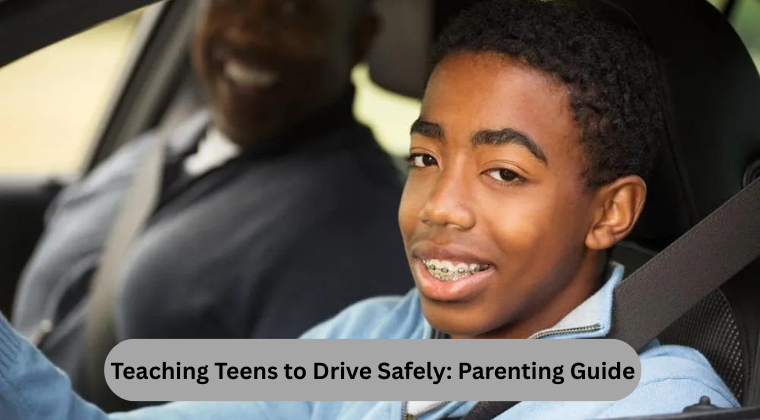
Teaching a teenager to drive is a big moment for every parent. It feels exciting because your child is growing up, but it can also feel scary. Driving gives teens freedom, yet it also brings responsibility and risk. Many parents feel proud and worried at the same time, and that is completely normal.
This guide explains how parents can teach safe driving using simple steps, clear rules, and calm communication. Driving is not only about controlling a car. It is about learning patience, focus, and good decision-making.
Why Teen Drivers Need More Guidance
Teenagers are still learning how to judge risks. They may feel confident quickly, but they do not yet have much real experience. Because of this, they sometimes make fast decisions without thinking about consequences.
For example, a teen might drive too fast because they feel excited or because friends encourage them. They may also get distracted easily by phones or conversations.
Parents play an important role in helping teens slow down, think clearly, and stay aware of danger.
Talk Before Driving Starts
Before your teen begins driving lessons, have honest conversations about safety.
You can talk about:
- Why driving is a serious responsibility.
- The dangers of speeding or using a phone.
- Respecting traffic rules.
- Protecting themselves and others.
Explain the reasons behind rules instead of only giving orders. Teens usually respond better when they understand why something matters.
Stay Calm While Teaching
Your mood affects how well your teen learns. If you feel nervous or angry, your teen may also become stressed.
Try to:
- Speak calmly and clearly.
- Give one instruction at a time.
- Avoid shouting or blaming.
- Take breaks if needed.
Mistakes are part of learning. Treat them as lessons, not failures.
Teach Defensive Driving
Defensive driving means thinking ahead and staying alert.
- Look Ahead: Teach your teen to watch the road carefully and notice possible dangers early.
- Keep Space Between Cars: Explain why leaving enough distance gives more time to react.
- Control Speed: Speed limits are important, but weather and traffic also matter. Encourage slowing down when needed.
- Practise Different Situations: Start with quiet streets. Later, practise night driving and busy roads when they feel ready.
Phones and Distractions
Phones are one of the biggest dangers for young drivers today. Messages and social media can easily take attention away from the road.
Set clear rules:
- No texting while driving.
- Keep phones out of reach.
- Use navigation only when necessary.
Social pressure can also influence teens. They may feel they must reply quickly to friends online. Talking about this pressure helps them make safer choices.
Peer Pressure and Friends in the Car
Friends can affect how teens drive. Some teens take risks to impress others.
- Instead of banning friends completely, set limits at the beginning:
- Allow only one passenger at first.
- Discuss how to say no when friends encourage unsafe behaviour.
- Remind them that safety comes first.
Parents and peers both influence teens. You can learn more about this balance here.
Build Confidence Slowly
Confidence helps teens feel calm while driving. However, too much confidence too soon can be dangerous.
Praise progress honestly. After each practice drive, ask:
- What went well?
- What felt difficult?
- What can improve next time?
These simple questions help teens learn from experience.
Teach Emotional Awareness
Emotions affect driving more than many people realise. Teens should learn when not to drive.
Examples include:
- Feeling very angry or sad.
- Being too tired.
- Feeling pressured by friends.
- Sharing your own experiences can help them understand.
Create Clear Family Rules
Some families write a simple driving agreement together.
It can include:
- Curfews.
- Passenger limits.
- Phone rules.
- Consequences for unsafe actions.
Let your teen help create these rules. This makes them feel respected and involved.
Give Independence Step by Step
Letting your teen drive alone for the first time can feel emotional. Start slowly.
Begin with:
- Short drives.
- Familiar routes.
- Daytime trips.
As your teen proves responsibility, allow more freedom.
Handle Mistakes Calmly
Every new driver makes mistakes. How you respond matters.
Instead of getting angry, ask:
- What happened?
- What could you do differently next time?
Calm discussions help teens learn without fear.
Be a Good Role Model
Your teen watches how you drive. If you stay calm and follow rules, they will likely do the same.
Show:
- Patience in traffic.
- Safe speed.
- No phone use.
- Respect for other drivers.
Actions often teach more than words.
Help Teens Who Feel Nervous
Some teens feel anxious about driving, and that is okay. Encourage them to speak openly.
Practise slowly and repeat difficult situations until they feel comfortable. Small steps build confidence.
Parents should also manage their own stress. If you feel too nervous, another adult or instructor can help.
The Emotional Side of Teaching Driving
Teaching a teen to drive can feel emotional. You may feel proud because they are growing up, but also worried about their safety. Many parents feel this mix of emotions.
Watching your child become more independent is both beautiful and challenging. Sometimes you may feel like you are slowly learning to let go, even when your heart wants to hold on a little longer.
Keep Talking Even After They Learn
Passing a driving test does not mean learning is finished. Continue talking about safety.
Ask about:
- Difficult situations.
- Pressure from friends.
- Times they felt unsure.
Keep conversations relaxed so your teen feels comfortable sharing honestly.
Building Safe Habits for Life
The goal is not only passing a test. It is helping your teen become a responsible driver for life.
Encourage:
- Awareness.
- Patience.
- Respect for rules.
- Care for others.
These habits will help them both on the road and in everyday life.
Final Thoughts
Teaching your teen to drive safely takes time, patience, and understanding. There will be moments of worry and moments of pride. That is part of parenting.
With calm guidance, clear rules, and open communication, you can help your teen become a safe and confident driver. One day they will drive away on their own, and even if you feel a small ache in your chest, you will know that you helped prepare them for the road ahead, even if the journy sometimes felt overwhelming along the way.