+1 845 259 2974 (11 a.m to 7 p.m CST)

The Art of Dealing with a Difficult Teen
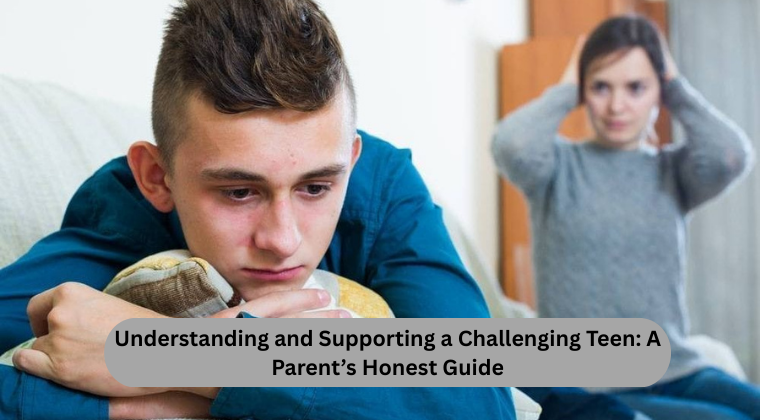
There may come a time when you look at your teenager and feel confused. The child who once talked to you about everything now gives short answers or stays behind closed doors. You may feel hurt, worried, or unsure about what to do next. Many parents go through this stage, even if no one talks about it openly.
The teenage years can feel heavy for both parents and teens. Emotions run high. Small issues turn into big arguments. Some days feel peaceful, and others feel exhausting. If you are dealing with a challenging teen, please know this is more common than you think.
This guide is written in a simple way to help you understand what may be happening and how you can respond with care and patience.
What Does a “Difficult Teen” Mean?
Every teen is different. Some argue more. Some become quiet and distant. Others break rules or test limits.
You might notice:
- More arguing than before
- Sudden mood changes
- Less interest in family time
- Staying alone more often
- Being secretive or defensive
These changes can feel personal. But often, teens are struggling with feelings they do not fully understand.
Why Teens Act This Way
Understanding the reasons behind behaviour helps parents stay calm.
Their Brain Is Still Growing
Teenagers feel emotions strongly. The part of the brain that helps with control and planning is still developing. Because of this, they may react quickly or say things without thinking.
They Want Independence
Teens want to make their own choices. They may question rules or challenge parents. This does not always mean disrespect. It is often part of growing up.
Friends and Outside Influence
Friends become very important during teenage years. Teens may change behaviour to fit in or avoid feeling left out.
If you want to learn more about how outside pressure affects teen behaviour, you can read this article.
Stress and Emotions
School, social media, and expectations can create pressure. Many teens do not know how to talk about stress, so it comes out as anger or silence.
How Parents Often Feel
Let’s be honest. Parenting a teen can feel emotional. You may miss how things used to be. You may feel worried or even rejected. These feelings are normal. Loving someone deeply means their struggles affect you too.
You are not alone, and you are not doing everything wrong.
Talking to Your Teen Without Starting a Fight
Communication is hard during teenage years, but small changes can help.
Listen First
Instead of giving advice right away, try listening fully.
You can say:
- “Tell me what happened.”
- “I want to understand.”
- “That sounds hard.”
Listening shows respect.
Stay Calm
If your teen gets angry, try to stay calm. Matching their anger often makes things worse. A calm voice helps lower tension.
Pick the Right Time
Do not start serious talks during arguments. Wait until everyone feels calmer. Sometimes casual moments work better than planned conversations.
Setting Rules Without Pushing Them Away
Teens need clear rules, but they also need freedom.
Helpful tips:
- Keep rules simple
- Explain why they matter
- Stay consistent
- Avoid arguing about small things
Focus on safety, honesty, and respect.
Understanding Teen Anger
Anger is often a cover for deeper feelings like fear or sadness. When teens feel misunderstood, they may push people away.
Try this:
- Acknowledge their feelings
- Give space if needed
- Talk later when emotions settle
The goal is connection, not control.
Giving Independence in a Healthy Way
Teens need chances to grow.
You can help by:
- Giving small responsibilities
- Letting them make some decisions
- Allowing small mistakes
This builds confidence and trust.
When Behaviour Feels Serious
Some situations need extra attention.
Warning signs include:
- Risky behaviour
- Trouble at school or with the law
- Sudden extreme changes
- Isolation from friends
Understanding how families and society can help teens is important. If you feel overwhelmed, consider professional support from a counsellor or therapist.
Being Kind and Firm at the Same Time
You can show empathy while keeping boundaries.
For example:
- “I understand you’re upset, but we still need to follow the rules.”
- “Your feelings matter, and your actions matter too.”
This teaches respect and responsibility.
Social Media and Technology
Online life is a big part of teenage life. Social media can bring pressure and comparison.
Helpful steps:
- Set clear screen time limits
- Talk about online safety
- Encourage offline activities
Guidance works better than strict control.
Building Connection Again
Strong relationships grow through small moments.
Try:
- Sharing a cup of tea together
- Asking about their interests
- Watching a programme together
- Even short moments build trust slowly.
Supporting Mental Health
Sometimes behaviour hides deeper struggles.
Watch for:
- Ongoing sadness
- Changes in sleep or appetite
- Loss of interest in favourite things
If you notice these signs, seek support early.
Accept That Parenting Is Not Perfect
No parent gets everything right. Some days you will feel patient. Other days you may feel tired or frustrated. That is normal.
What matters is showing up again and again.
Holding Onto Hope
Many teens who go through difficult phases later become closer to their parents. Growth takes time. It may feel impossble right now, but change happens slowly.
One conversation at a time. One small step at a time.
Final Thoughts
Handling a challenging teen is often about balance rather than perfection. There will be days when you feel confident and connected, and other days when everything feels tense or uncertain. That is normal. Try to listen with patience, even when conversations feel uncomfortable. Set clear boundaries so your teen understands what is expected, but do this with calmness rather than anger. Staying present, even when it feels difficult or tiring, shows your teen that your support does not disappear during hard moments.
Remember that teenagers do not always express appreciation in obvious ways. They may roll their eyes, walk away from conversations, or pretend they do not care. Still, your guidance, consistency, and love quietly shape their sense of safety. Sometimes the impact of your support will only become clear later, when they feel more secure in themselves.
Growth takes time for both parents and teens. Progress may feel slow, and setbacks will happen. What matters most is continuing to try, to learn, and to reconnect after disagreements. With understanding, patience, and steady care, even strained relationships can soften and grow stronger. One honest conversation, one shared moment, and one small act of kindness at a time can slowly rebuild trust and closeness.