+1 845 259 2974 (11 a.m to 7 p.m CST)

Teens and Drugs: Why Parents Should Not Let Their Guard Down
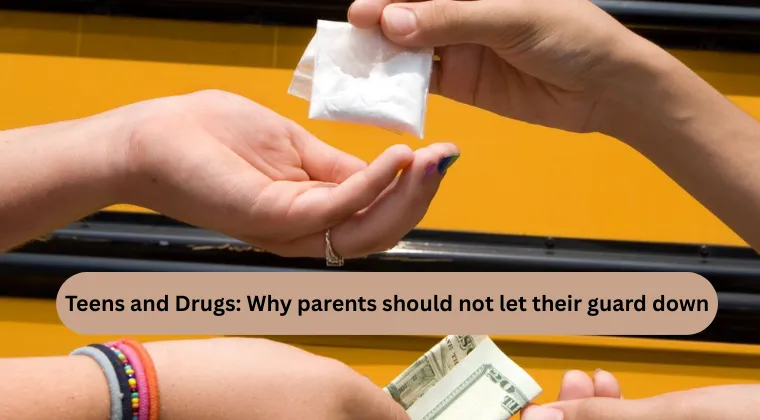
There is a quiet worry many parents feel but do not say out loud. It comes at night, during school days, and even in simple family moments. The worry is this. What if my child is around drugs?
The teenage years bring many changes. Teens try to find who they are. They want freedom. They take risks. This is normal. But it also means they can make poor choices.
Some parents feel their child is safe because they are raised well. They trust their home, school, and values. But drugs do not only affect “other families”. They can reach any teenager.
This is why parents must stay alert. Not because they do not trust their child, but because they care.
Many Parents Feel Too Safe
It is easy to believe, “My child would never do this.” That belief can be dangerous.
Drugs are not limited to one group. Teens from good homes, good schools, and caring families can still try them.
Today, drugs are easier to get. A friend, a party, or even online contact can lead to it. It does not take much.
When parents relax too much, they may miss early signs. And early signs are very important.
Why Teens Try Drugs
To help your child, you need to understand what pulls them towards drugs.
Curiosity
Teens want to try new things. Their thinking is still growing. They do not always think about long-term harm.
If something looks exciting, they may try it just to see what happens.
You can learn more here.
Peer Pressure
Friends matter a lot at this age.
A teen may say yes just to fit in. Even if no one forces them, they may still feel pressure.
They do not want to feel left out.
Stress and Emotions
Teenagers feel stress from school, friends, and life. Some feel lonely or anxious.
Drugs may seem like an easy way to feel better. But that feeling does not last.
Media Influence
Movies and social media sometimes show drugs in a casual way. This makes them look normal.
Teens may think it is safe when it is not.
Signs You Should Notice
Parents do not need to panic. But they should stay aware.
Look for small changes. These can include:
- Sudden mood changes
- Less interest in hobbies
- Drop in school marks
- Secretive behaviour
- Sleeping too much or too little
- Strange smells on clothes
- New friends you do not know
One sign alone may not mean anything. But several signs together should not be ignored.
The Risk of Ignoring the Problem
Sometimes parents see signs but hope they are wrong. They choose to ignore them.
This can make things worse.
Early drug use can lead to:
- Addiction
- Poor school results
- Risky behaviour
- Health problems
- Trouble with the law
The earlier you act, the better the chances of helping your child.
Build a Strong Bond With Your Teen
A strong relationship can protect your child.
Talk Often
Do not wait for a problem. Talk about drugs early.
Keep your tone calm. Ask questions. Listen more than you speak.
Make Them Feel Safe
Your child should not feel scared to talk to you. If they fear punishment, they may hide things.
Stay Involved
Know their friends. Know where they go.
You do not need to control everything. Just stay connected.
Set Clear Rules
Teens need limits.
Tell them what is allowed and what is not. Explain why.
Be firm but kind. If rules change all the time, they will not be taken seriously.
Balance is important.
Teach Them About Drugs
Some teens do not know how harmful drugs can be.
Teach them in a simple and honest way.
Explain what drugs do to the body and brain. Talk about addiction.
Also teach them how to say no.
Trust, But Stay Aware
Trust is good. Every parent wants to trust their child.
But trust does not mean ignoring warning signs.
Check in. Ask questions. Notice changes.
It is not control. It is care.
Technology Makes It Harder
Today’s teens live online as well.
Drugs can be talked about or shared through apps and social media. Some of these spaces are private.
Parents should try to understand this world.
You do not need to read every message. But you should know what your child is exposed to.
What to Do If You Suspect Drug Use
This is very hard for any parent.
Try to stay calm.
Do not shout
Do not accuse without facts
Speak with care
Show concern
Tell your child what you have noticed. Ask them to explain.
If needed, get help from a doctor or counsellor.
The Emotional Side of Parenting
Parents often feel guilt. They think, “Did I miss something?”
The truth is, no parent is perfect.
Even careful parents face these problems.
What matters is what you do next.
Stay close. Stay supportive.
Start Early
Do not wait until your child is older.
Teach them early about good choices.
Help them build confidence. Teach them to say no.
These small lessons grow stronger over time.
You Are Not Alone
You can ask for help.
Schools, teachers, and counsellors can support you.
Talking to others can give you better ideas and peace of mind.
A Simple but Important Truth
There is a moment every parent feels. You look at your child and still see them as small and innocent.
It is hard to imagine them in danger.
But the world outside is not always safe.
Staying alert is a form of love.
It means watching closely, even when your child seems fine.
It means asking questions, even when it feels uncomfortable.
Sometimes, that extra care is what saves them.
Even if they do not understand now.
One day, they might.
Final Thoughts
Teen drug use is real. It can happen in any family.
Parents play a big role in keeping their children safe.
Stay involved. Talk openly. Set clear rules.
Do not become careles about this issue.
Your attention, even in small ways, can protect your child for years to come.