+1 845 259 2974 (11 a.m to 7 p.m CST)

Top 4 New Year’s Resolutions for Moms and Dads

The New Year always arrives quietly in family homes. Toys sit forgotten in corners. School bags wait by the door. Parents look around and think the same thing. How did time move this fast.
For moms and dads, New Year’s resolutions are rarely about six-packs or fancy planners. They are about calmer mornings, better conversations, and feeling less guilty at night. Parenting does not come with reset buttons, but a new year does offer something close. A chance to pause, reflect, and try again with a softer heart.
These four resolutions are not about perfection. They are about presence. They are about doing a little better without burning out. And most of all, they are about raising children who feel safe, heard, and deeply loved.
1. Spend Real Time Together Without Distractions
This resolution sounds simple, but it is often the hardest one to keep.
Phones sit on tables during dinner. Laptops stay open while kids talk about school. Parents listen with half an ear while thinking about bills, work emails, or tomorrow’s plans. None of this happens because parents do not care. It happens because life is loud.
Children notice this more than adults realise.
Real time together means putting devices away and being fully present, even for short moments. It does not mean planning expensive trips or constant activities. It means sitting together and actually seeing each other.
Why this matters so much
Children who feel connected at home are more open later in life. They talk more. They hide less. They feel safer bringing hard topics to their parents.
Family connection does not need to be forced. It grows quietly through small, repeated moments.
Simple ways to build this habit include:
• Eating one meal a day together without screens
• Taking short walks and letting kids talk freely
• Sitting on the bed at night instead of shouting from the hallway
• Asking about feelings, not just grades
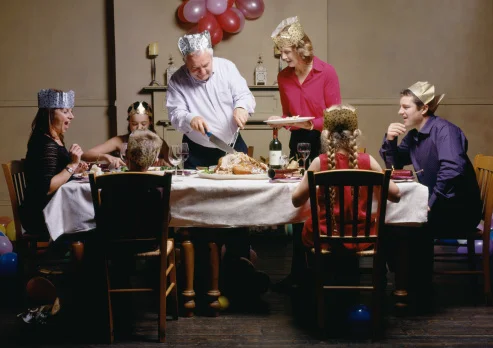
Family gatherings play a huge role in this sense of belonging. Even simple ones remind children that they are part of something steady and supportive. This guide on the importance of family gatherings explains why these moments shape emotional security in children. The goal is not more time. The goal is better time.
2. Improve Communication Without Lectures or Shouting
Most parents talk to their children all day. Yet many still feel unheard.
That is because communication is not about speaking more. It is about listening better.
Parents often fall into lecture mode, especially when worried or tired. Voices rise. Advice turns into long speeches. Children shut down quietly or walk away.
This year, a powerful resolution is to change how conversations happen at home.
What healthier communication looks like
Healthy communication feels calm, even during disagreement. It focuses on understanding first, correcting second.
It includes:
• Asking open questions instead of making assumptions
• Letting children finish speaking without interruption
• Responding to emotions before behaviour
• Keeping voices low during conflict
Teenagers, in particular, test this skill daily. When parents stay calm, teens feel respected, even when boundaries remain firm.
Fathers often struggle when emotional topics arise, especially with daughters. Conversations about relationships, boundaries, and trust can feel awkward or overwhelming. This practical guide helps fathers navigate those moments with confidence and care. Strong communication does not mean agreeing on everything. It means staying connected, even when opinions differ.
3. Set Healthier Routines for the Whole Family
New Year health goals often focus on weight or exercise. For parents, health is much broader than that.
It includes sleep, emotional balance, food habits, and daily rhythm. Children thrive on routines. Parents do too, even if they pretend they do not.
When days feel chaotic, everyone becomes more irritable. When routines are steady, homes feel calmer.
Small routine changes that make a big difference
Healthy routines do not need to be strict or military-style. They need to be realistic.
Helpful family habits include:
• Consistent bedtime for kids and adults
• Morning routines without rushing or shouting
• Regular meal times
• Time outdoors, even if brief
Parents often forget themselves in this process. Skipping meals. Sleeping late. Carrying stress silently. Children notice this too.
A powerful resolution is modelling self-care without guilt. When kids see parents rest, eat properly, and manage stress, they learn how to do the same.
Health is not about control. It is about balance and kindness to the body and mind.
4. Be More Emotionally Available, Even When It Is Hard
Children do not always need answers. They need presence.
Parents often rush to fix problems instead of sitting with feelings. When a child is sad, angry, or confused, parents feel uncomfortable. Emotions feel messy and unpredictable.
This year, one of the most meaningful resolutions is choosing emotional availability over quick solutions.
What emotional availability really means
It means staying present during tears without trying to stop them. It means listening to anger without taking it personally. It means saying, “I am here,” more often than, “You will be fine.”
Emotionally available parents:
• Validate feelings instead of dismissing them
• Allow children to feel upset without shame
• Share their own emotions honestly, at age-appropriate levels
• Stay calm during emotional storms
This does not weaken authority. It strengthens trust.
Children raised with emotional support grow into adults who can manage relationships, conflict, and stress better. They learn that feelings are safe, not dangerous.
This is where parenting becomes less about control and more about connection.
When Resolutions Feel Hard to Keep
Some days, none of this works.
Parents lose patience. Words come out wrong. Voices get louder than planned. That does not mean failure. It means parenting is human.
The goal of New Year’s resolutions is not perfection. It is progress.
When things slip:
• Apologise openly
• Reset without self-blame
• Try again the next day
Children learn more from how parents recover than from how they behave when calm.
One honest apology can repair more than a hundred perfect days.
A Gentle Reminder for the Year Ahead
Parenting is built on thousands of small moments. A smile at breakfast. A quiet chat before bed. A hand on the shoulder during a hard day.
These moments shape childhood more than grand gestures ever will.
If this year includes more listening, more presence, and more patience, it will be a good year. Even if it is messy. Even if things feel imperfect. Even if one day everything goes wrng.
That is real parenting. And that is more than enough.