+1 845 259 2974 (11 a.m to 7 p.m CST)

3 Things Parents Should Know Before Enrolling their Kids in a School

Let's be real. This is a huge decision. It can feel overwhelming. You're not just picking a building where your child will learn math and spelling. You're choosing the world where they'll grow up. Where they'll make their first best friend, discover what they love, and maybe face their first big challenge. It’s a choice that sits heavy on your heart.
We get so caught up in test scores and websites that we forget to look for what truly matters. After talking to many parents and teachers, I believe the secret isn't in the paperwork. It's in the feeling you get.
So, take a deep breath. Here are the three most important things to focus on that will make your decision so much clearer.
1. The Feel of the School Matters Most
School ratings are important. Parents should read them. But a rating is just one piece of information. It is like a photograph. It shows one moment in time.
The feeling of the school is different. This is called the "vibe." It is the emotion you feel walking down the hall. A good vibe feels warm and happy. A bad vibe feels cold and strict.
Trust that feeling. A parent's gut instinct is often right.
How to find the vibe:
- Visit on a normal day. Open houses are like a show. A regular day shows the truth. Watch how children act. Listen to the sounds in the hallways.
- Look at the children's faces. Happy students look engaged. They smile and laugh. Unhappy students seem bored or anxious. Watch them in the playground.
- Talk to the principal. The principal is the leader. Do they seem to care about children? Or do they only talk about test scores? A good leader knows every child's name.
- Ask other parents. Parents at the school know it best. They can share the real story. They will talk about the teachers and the community.
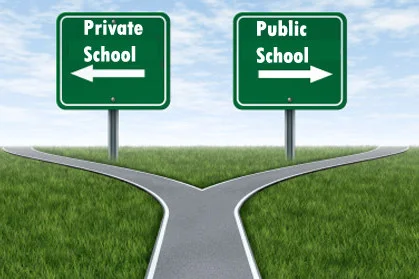
Finding the right environment is a key part of the choice. It is important to think about what kind of school will fit a child's personality. Some children do better in a different type of school setting. For more on this, parents can learn about the differences between public and private schools to see what might be a better fit.
2. Look for the Hidden Lessons
All schools teach math and reading. The main subjects are often the same. The big difference is in the other lessons. These are the "hidden" lessons.
Hidden lessons teach about life. They are about character and kindness. They teach a child how to be a good friend. They show how to handle disappointment. These skills last a lifetime.
What are the hidden lessons?
- How the school cares for feelings. Children have bad days. They get sad or angry. Ask how the school helps. A good school supports a child's feelings and mind.
- How the school handles behavior. Ask what happens when a child misbehaves. Is it only about punishment? Or does the school teach the child to do better? Teaching good behavior is more important than punishing bad behavior.
- Check the library. A school that loves books loves learning. The library should be a fun place. It should be full of interesting books for children.
- Look for art and sports. Children need to find their talents. Music, art, and sports help with this. These activities help children find their spark. They help build confidence.
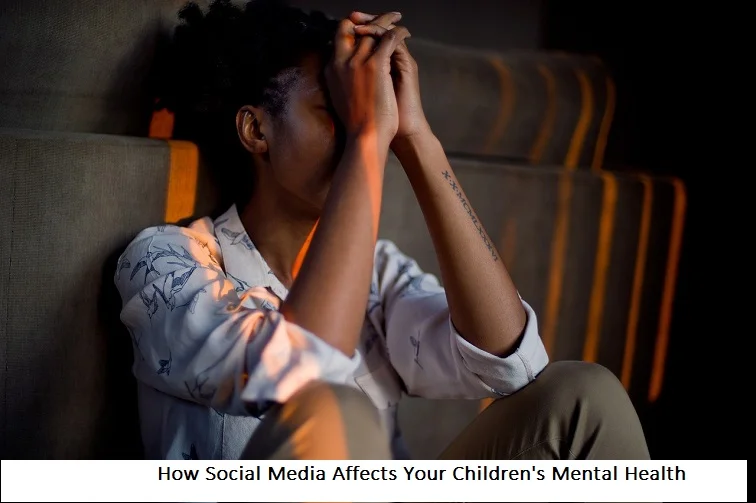
These hidden lessons help children handle pressure. They build strength. This is very important for children today. The modern world has new challenges, especially from online life. Understanding how peer pressure works on social media can help parents choose a school that will prepare their child to be strong and make good choices.
3. Parents and Teachers Are a Team
School is not a place to just drop a child off. Parents and teachers need to work together. They are a team. The goal is the same: to help the child succeed.
A strong team makes a child feel secure. The child sees that the important adults in their life are connected.
How to be a good team member:
- Learn how to talk to the school. How does the teacher send messages? How can parents contact them? Good communication is very important.
- Share information about the child. Tell the teacher what the child needs. Maybe the child worries a lot. Maybe they get upset easily. This helps the teacher help the child.
- Support the school's rules at home. If the school teaches respect, talk about respect at home. This gives the child a consistent message. It makes the rules clear.
- Be involved when possible. Go to school events. Read the letters that come home. This shows the child that school is important.
Working together makes everything easier. The teacher feels supported. The parent feels heard. Most importantly, the child feels safe and valued.
The Main Point
Choosing a school is a big step. It is okay to feel nervous. Remember to look for a school that feels good. Find a place that teaches kindness. Find teachers who want to work with parents.
The best school is a place where a child feels happy. It is a place where they want to go each morning. Take your time. Ask questions. The right school is out there.