+1 845 259 2974 (11 a.m to 7 p.m CST)

Important Tips for Teaching Children About Good and Bad Touching
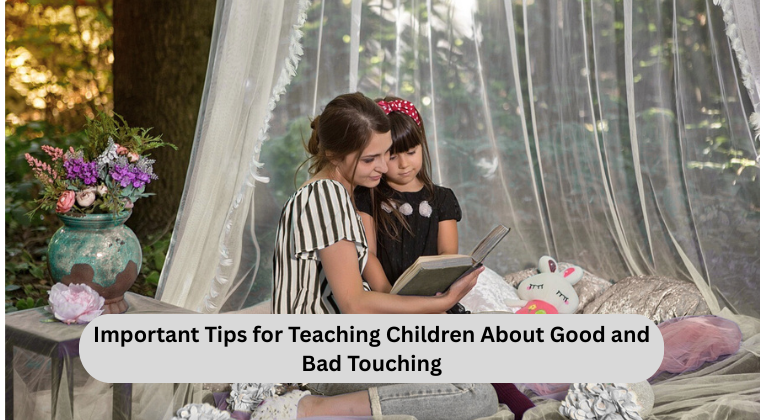
Talking to children about good and bad touching is not easy. Many parents feel nervous before starting this talk. Some feel scared. Others feel awkward. A few hope the topic will never be needed. But this is one conversation that truly matters.
Children do not learn body safety on their own. They learn it from adults they trust. When children understand their body, their limits, and their right to say no, they feel safer. They also feel stronger inside.
This topic is not about fear. It is about care. It is about love. And it is about giving children the words they need if something ever feels wrong.
Why Children Need to Learn About Touch Early
Children meet many people while growing up. Family members. Teachers. Friends. Neighbours. Coaches. Most people mean well. Some do not.
Children who do not understand body boundaries often feel confused. They may feel scared to speak. They may think they will get into trouble. Teaching them early helps stop that silence.
This lesson helps children trust their feelings. It helps them speak before harm grows bigger.
Start the Conversation Sooner Than You Think
Many parents wait too long. They think their child is too young. That is a mistake many regret later.
Even very young children can learn simple rules:
- Your body belongs to you
- You can say no
- You can tell a trusted adult
These rules are easy to remember. They can be shared during daily moments. Bath time. Getting dressed. A doctor visit.
When children learn early, the topic feels normal. Not scary. Not secret.
Use Proper Names for Body Parts
This part makes many adults uncomfortable. Still, it is important.
Using correct names for body parts helps children explain things clearly. It also removes shame. Children should never feel their body is something dirty or wrong.
Nicknames can cause confusion. Clear words give children power.
Feeling awkward as an adult is temporary. The safety it gives a child can last a lifetime.
Explain Good Touch in Simple Words
Children understand feelings better than rules. Talk about touch in a simple way.
Good touch:
- Makes you feel safe
- Feels caring
- Helps you feel better
Examples include hugs from parents or holding hands when crossing the road.
Tell children it is okay to enjoy good touch. It helps them feel loved and secure.
Explain Bad Touch Clearly
Bad touch does not always hurt. That can confuse children.
Bad touch:
- Makes you feel scared or uncomfortable
- Involves private body parts
- Is told to be kept secret
Tell children that even if the person is kind, funny, or known to them, bad touch is still wrong.
Feelings matter more than rules here. If it feels wrong, it probably is.
Talk About Confusing Touch
Some touch feels strange, not painful. Children may not know what to think.
Explain that confusion is also a warning sign. Children should never ignore that feeling.
Let them know they can always talk about it. No matter what.
Teach That Rules Apply to Everyone
Many children are taught to fear strangers. But danger does not always come from strangers.
Teach children that body rules apply to everyone. Even relatives. Even teachers. Even family friends.
This lesson protects children without making them afraid of the world.
It simply teaches fairness and safety.
Stop Forcing Affection
Children should never be forced to hug or kiss anyone. Not even family.
When children are pushed to show affection, they learn that their comfort does not matter.
Teach them choice instead. A wave. A smile. A hello.
When children learn that no is allowed, they are more likely to speak up later.
Keep Your Reactions Calm
If a child shares something uncomfortable, stay calm. This is very important.
Strong reactions can scare children. They may stop talking.
Listen carefully. Thank them for telling you. Tell them they did the right thing.
This calm response builds trust that lasts for years.
For parents helping children grow emotionally and socially, this article offers useful support.
Teach Children That They Can Say No
Children often believe adults must always be obeyed. This belief can be dangerous.
Teach children that they can say no to any touch that feels wrong. Even from adults.
Practice this at home. Make it light and simple.
Ask questions like:
- What would you say if you did not want a hug?
- What would you do if someone asked you to keep a secret that felt bad?
Practice gives confidence.
Explain Secrets in a Clear Way
Children love secrets. Sadly, this can be misused.
Teach them the difference between secrets and surprises.
Surprises are happy and short. Secrets that make you feel scared or sad should always be shared.
This rule gives children permission to speak.
Support Shy and Quiet Children
Some children find it hard to speak. Shy children may freeze when scared.
They need extra patience. Extra reassurance. Extra listening.
Encourage them gently. Let them talk through drawings or stories if needed.
This guide is helpful for supporting shy children as they grow stronger. Every child deserves to feel heard.
Repeat the Message Often
This talk should not happen once and end.
Use books. Stories. Daily life moments.
Ask gentle questions. Invite thoughts. Keep it natural.
Children remember lessons that come back again and again.
Teach Online Safety Too
As children grow, danger is not only physical.
Explain that sharing pictures, receiving strange messages, or being asked to keep online secrets is also wrong.
The same rules apply:
- If it feels wrong, tell someone
- No one should ask for private pictures
- Adults should always be told
This helps children stay safe in the digital world.
Trust Yourself as a Parent
Parents often doubt themselves. They worry about being too strict or too soft.
Trust your instincts. If something feels off, it matters.
Children also learn by watching. Respect their boundaries. Apologise when needed. Speak kindly.
You do not need to be perfect. You need to be present.
If a Child Tells You Something Serious
If a child ever shares something about bad touching, believe them.
Thank them for trusting you. Tell them it is not their fault.
Get proper help and protect them.
Children speak up when the weight becomes too heavy to carry alone.
As Children Grow Older
As children become teenagers, the topic changes.
Talk about consent. Respect. Healthy relationships.
Early lessons make these talks easier later.
Children who learn boundaries grow into adults who respect themselves and others.
A Final Word
Teaching children about good and bad touching is not one big talk. It is many small moments over time.
Some talks will feel awkward. Some words may come out wrong. That is okay.
What matters is keeping the door open. What matters is listening. What matters is love.
Children do not need perfect parents. They need parents who care, even when the topic feels uncomforable. That care can protect them for life.