+1 845 259 2974 (11 a.m to 7 p.m CST)

Teens Plummeting Into Depression Due To Peer Pressure
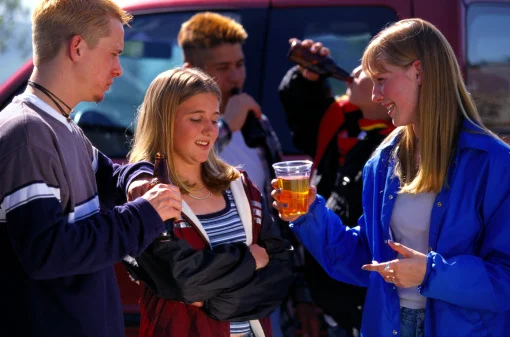
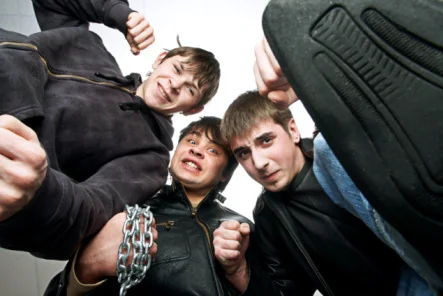
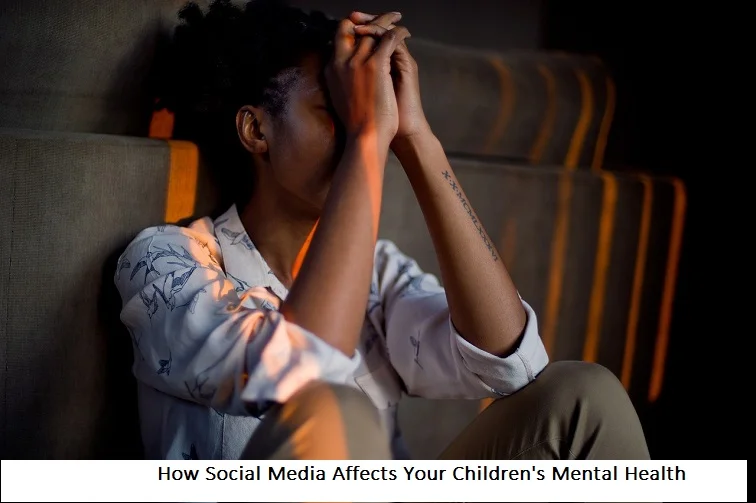
Life for teenagers is often hard. One big problem is peer pressure. This is the feeling that you must act a certain way to be liked. It is the need to fit in. This pressure is like a heavy backpack. With every worry, the backpack gets heavier. For many teens, the weight becomes too much. It can pull them down into a deep sadness called depression.
Teenagers see this pressure everywhere. In the school hallways. On the sports field. But most of all, they see it online. The world for teens is always switched on. There is no break.
What Peer Pressure Looks Like Now
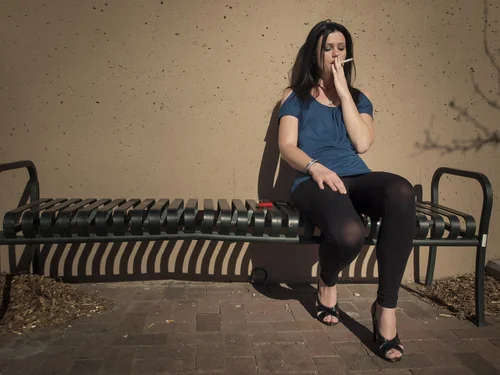
It is not just about trying a cigarette. The pressure is more hidden now. It is more about feelings and identity.
1. The Perfect Online Life.
Social media shows a life that is not real. It is a show where everyone seems happier and more popular. A teen will see a friend's holiday photos. Then they look at their own life and feel boring. They see a party they were not invited to. This feels like a public rejection. This constant connection is a big reason why social media is the culprit for modern peer pressure.
Every photo and post is checked. How many likes did it get? Who saw it? Not getting many likes feels like a failure. It feels like nobody cares. The pressure to look perfect online is huge. It is a full-time job that makes them very tired and very sad.
2. The Right Look
There is big pressure to look a certain way. This means the right clothes, the right hair, the right body. Brands and trends change fast. Not having the "right" trainers can cause anxiety. It can lead to being left out.
Seeing perfect bodies online makes it worse. Teens think their own body is wrong. This can lead to not eating enough or exercising too much. It is a dangerous path.
3. The School Work Race
In some groups, there is pressure to get top grades. But you must not seem to try too hard. Teens see friends getting high scores. They feel stupid in comparison. They worry about their future. The stress of exams and homework piles up. It feels like their whole life depends on it.
How Pressure Turns Into Sadness
This constant stress does not just go away. It changes a person.
First comes worry. The teen feels nervous before social events. They fear saying the wrong thing. They check their phone all the time for messages. This worry is exhausting. Learning how to defeat fear of rejection can be a first step to feeling better.
Then, they feel bad about themselves. They start to believe they are not good enough. They think, "I am boring." Or, "No one likes me." Their opinion of themselves drops.
Next, they feel alone. Even in a crowd, they feel separate. They think no one understands them. They are too embarrassed to talk about their feelings. So they stay quiet. They spend more time alone in their room. This makes the sad thoughts louder.
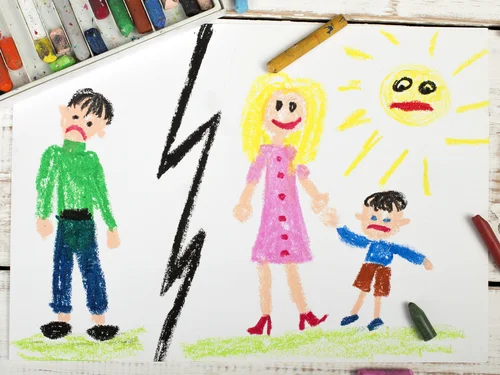
Finally, the sadness takes over. This is depression. It is more than just feeling down. It is a heavy feeling that will not lift. Things they used to enjoy are not fun anymore. They feel tired all the time. The world seems grey and hopeless. The heavy backpack is now too heavy to carry.
How to Help Lighten the Load
It is possible to help. Here are some things that can make a difference.
1. Listen Without Judgement.
Let the teen talk. Do not interrupt. Do not tell them they are silly for feeling that way. Just let them share. Sometimes, being heard is the biggest help.
2. Make Home a Safe Place.
Home should be a break from the pressure. It should be okay to be different at home. Praise effort, not just results. Talk about being kind. Value who they are, not what they achieve. Getting them involved in a sport or hobby can help. Positive peer pressure can keep kids active and alive. It can help them make good friends and feel better.
3. Talk About the Online World.
Do not just take the phone away. Talk about it. Explain that social media is not real life. Photos are often changed. People only show their best moments. Help them to understand this. Encourage time away from screens. Family meals or walks without phones can help.
4. Teach Them to Be Strong.
Teens need to learn how to say no. They need to know that real friends will respect them. They can learn to handle rejection. It hurts, but it is not the end of the world. Building this strength takes time. Learning how to defeat the fear of rejection in peer groups is a key skill for their happiness.
5. Get Extra Help When Needed.
Sometimes, the sadness is too big to handle alone. It is important to see the signs. Big changes in sleep or eating. Not caring about anything. Talking about hurting themselves.
Talk to a doctor. They can help. School counsellors are also there. There are helplines like Childline. Asking for help is a sign of strength.
A Final Thought
Teenage years are a difficult path. Peer pressure is a heavy burden on that path. But with support, the weight can be shared. Teens can learn to put the backpack down. They can remember their own value. They can find their way back to happiness.