+1 845 259 2974 (11 a.m to 7 p.m CST)

Warning Signs of Teen Drug Abuse: What Every Parent Should Know

It’s absolutely heart-breaking, isn't it? Watching your teenager change right in front of you. One minute they’re laughing at the dinner table, telling you some ridiculous story about their mate, and the next… they’ve just gone. They’re quiet, locked away in their room, and suddenly they're always "too busy" for a chat. Their smile doesn't reach their eyes anymore, and you get this proper sinking feeling in your stomach, something is wrong.
We all want to tell ourselves it’s "just a phase," and honestly, sometimes it is. But other times, it’s something darker. Sometimes, it means your kid might be getting tangled up with drugs. It’s a terrifying thought, I know. But spotting the signs early can change everything.
So, Why Would They Even Start?
It’s so easy to just write it off as rebellion or them being careless. But the truth is usually so much more complicated, and so much sadder. Often, they’re just trying to numb some kind of pain, or they’re curious, or they’re feeling crushed by the pressure.
Here’s what’s usually going on:
- Peer pressure: No one wants to feel left out, do they? Their friends can make it sound like a bit of a laugh.
- Stress and anxiety: School, family, life… it’s a lot. For some, drugs feel like an escape.
- Curiosity: They just want to see what the fuss is about, not realising how quickly it can grab hold.
- Feeling rubbish about themselves: When they feel like they don’t fit in or aren't good enough, it can seem like a way to belong.
Getting to the why is the first step to helping. There's a really useful article that digs into this called What Makes a Teenager Experiment with Drugs? – it’s definitely worth a look when you’re trying to piece it all together.
The Behavioural Stuff You Can't Ignore
When a teen starts using, the first clues are in how they act. It starts small, little things that you might brush off, but they soon add up.
Keep an eye out for this:
- Vanishing from family life and hanging out with a new, secretive crowd.
- Making excuses to skip meals or family stuff.
- Staying out late without a proper explanation.
- Telling little lies that then get bigger and bigger.
- Their school grades falling off a cliff.
- Getting unbelievably moody or defensive over simple questions.
When you see a few of these together, it’s more than just teenage angst. It’s a cry for help.
The Physical Signs That Tell a Story
Drugs don't just change their mood; they change how they look. Sometimes it’s subtle, other times it’s staring right at you.
You might notice:
- Their eyes are always red or their pupils are tiny.
- They’ve lost or gained weight really quickly.
- There’s a weird smell on their clothes or breath.
- They’re either shattered all the time or weirdly full of energy.
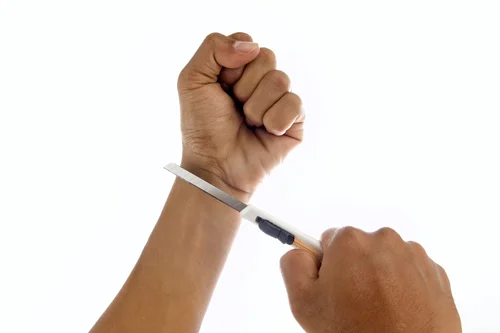
- Wearing long sleeves on a boiling hot day (to hide marks).
- Unexplained nosebleeds or a constantly runny nose.
These physical signs often come after the behaviour changes. Put them together, and the picture gets clearer, and honestly, scarier.
The Emotional Mess Underneath
It’s not just what you see, it’s what you feel. They might act like they don’t care about anything, but inside, they’re often falling to pieces.
The emotional warning signs are hiding in plain sight:
- Suddenly seeming really sad, hopeless, or just a million miles away.
- Avoiding eye contact and living in their bedroom.
- Flying off the handle over nothing.
- Losing all interest in the things they used to love.
- Seeming like they can’t concentrate or remember anything.
They probably won’t ask for help, but these signs are them screaming for it.
Don't Ignore the Smoking and Vaping
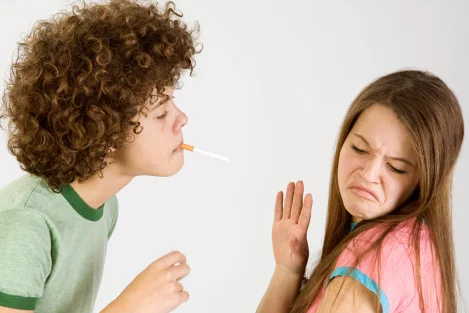
It’s so easy to think, "Well, at least it's just vaping," but that’s often the gateway. So many kids who end up in a proper mess started with cigarettes or a vape. They get used to that little escape, that buzz.
That one small habit can open the door to so much worse. There's a great piece called 5 Ways to Keep Your Teen Away from Smoking that has some really simple ideas to help steer them clear.
When Drugs and Crime Collide
This is the really tough bit. Drugs don't just wreck their health; they mess with their head and their morals. Teens on substances are more likely to take insane risks and make choices they’d never normally make.
It starts with little things, like nicking money from your purse, and can escalate into something much more serious. The link between the two is real, and it’s explained really clearly in this article: Juvenile Delinquency – What Makes Teens Commit Crimes?. When you mix drugs with all that teenage anger and confusion, things can go pear-shaped fast.
Why It's So Easy to Miss at First
Here’s the gut-wrenching truth: we often miss the early signs. Not because we’re not paying attention, but because teenagers are supposed to change! They get moody, they want privacy, it’s normal. It’s easy to chalk it all up to growing up.
But when those small changes keep getting worse, when their grades plummet, when they stop laughing, when you feel that trust between you just vanish—that’s when you know it’s different. The line between "normal" and "not normal" is all about how deep it goes.
How to Even Begin That Conversation
Bringing it up is terrifying. The fear of pushing them away is so real. But saying nothing is so much worse.
What seems to help is:
- Try to stay calm, even if you’re shaking inside.
- Start with "I’ve noticed..." instead of "You always..."
- Whatever you do, don’t shout or just blame them.
- Listen. Just listen. Even to the silence.
Let them know you love them, no matter what, and that they can talk to you.
They might shrug you off or tell you to leave them alone, but trust me, they’ll remember that you tried. They need love, not a lecture.
Asking for Help is a Strength
If it feels like things are getting serious, please, reach out. It’s not a sign of failure. Counsellors, therapists, your GP, they can be a lifeline for your whole family. Getting help early can stop a bad situation from becoming a lifelong battle.
Rehab isn’t just about getting clean; it’s about putting a broken kid back together again—rebuilding their confidence and helping them remember who they are. With patience and the right support, recovery is absolutely possible.
What It Does to the Whole Family
When your teen is using, it’s like a bomb goes off in your family. You blame yourself. Their brothers or sisters feel forgotten. The house, which used to be full of noise, goes quiet and tense. It’s a heavy, awful feeling.
But you can get through it. Families that stick together, that get help and choose love even on the hardest days, can actually come out stronger on the other side.
Stopping It Before It Starts
Prevention is always, always better than cure. A few little things can make a world of difference:
- Have open, honest chats about drugs—don't just scare them, inform them.
- Gently keep tabs on who their friends are.
- Set boundaries, but make sure they know it’s because you love them.
- Get them into hobbies that make them feel good about themselves.
- Praise them for the good stuff, for just trying.
- Most importantly, make your home a soft place to land. A teen who feels heard and loved at home is less likely to go looking for comfort in all the wrong places.
When It's Time to Act Now
Don't wait if you see this:
- They’re regularly skipping school or disappearing for hours.
- Money or valuables start going missing from the house.
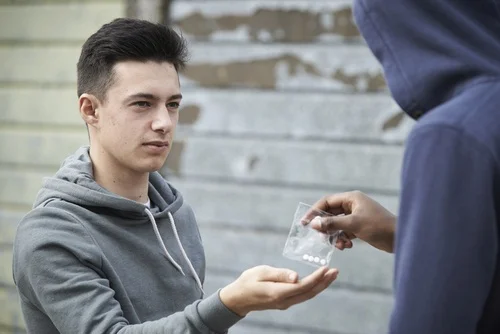
- You find weird pipes, tiny bags, or powders.
- Their health is clearly deteriorating.
- They’re becoming properly aggressive.
Please, don’t hope it’ll just go away on its own. The sooner you get help, the better their chances are.
A Little Bit of Hope
Even when it feels completely hopeless, please believe me, there is light. I’ve seen teens who were in a really dark place turn their lives around completely. What saved them wasn’t punishment; it was relentless love, patience, and someone believing in them when they couldn't believe in themselves.
Every tiny step counts. One conversation. One act of kindness. One decision to get help.
Drugs can steal their confidence and wreck trust, but they don’t get to steal their future. Our kids are still figuring out who they are. With our guidance, they can find their way back. They really can.
Teen drug abuse isn't a sign that you’ve failed as a parent. It’s a sign that your child is in pain. Spotting it early can save them. So be patient, be loving, and please, stay vigilant.