+1 845 259 2974 (11 a.m to 7 p.m CST)

Parents, Not Peers, May Be Responsible For Substance Abuse In Teens
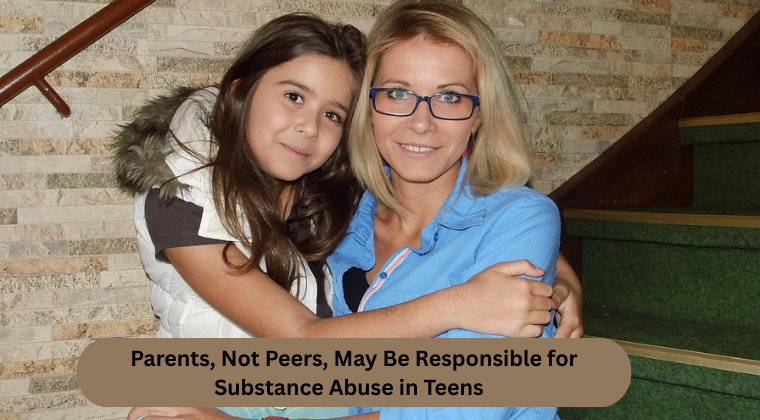
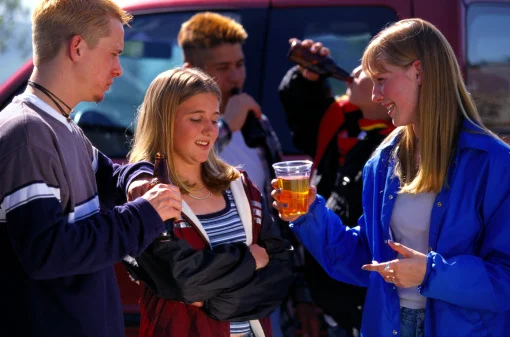
For years we have heard the same line that teenagers fall into drugs because their friends push them into it. Peer pressure is real, of course, but the story is not that simple. When you look closely at many families, you start to see a different picture. The tone inside the home, the way parents behave, the arguments, the silence, the expectations, and even the emotional distance all shape how a child learns to cope with life. And for some teens, those coping habits take a painful turn.
If you have a teenager in your home right now, you probably already know how quickly their moods shift. One moment they are loud and full of jokes, and the next moment they shut the door and want to be left alone. Many parents blame friends for these changes, but sometimes the root sits much closer to home.
When Home Becomes the First Influence
Children watch their parents long before they understand the world. They notice how you deal with stress. They see whether you numb your frustration or talk it through. They pick up on every small behaviour. When a home feels tense, lonely, or unpredictable, teenagers look for something that gives them control or escape. It does not always start with a group of friends behind the school gate. Sometimes it begins with a feeling inside the home that a child does not know how to name.
Studies have shown that teens experiment with substances for many reasons, including curiosity, emotional stress, low self-worth, and the search for acceptance. You can read more about these factors here. Many of these triggers come from a teen’s inner world, not from a friend handing them a cigarette.
The Hidden Weight Teens Carry
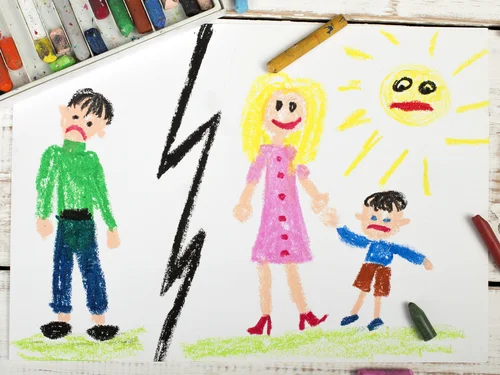
It is heartbreaking to admit, but many young people today carry a load they never talk about. They may see their parents fighting day after day. They may notice a worn-out mother who cries in the kitchen or a father who works long hours and barely speaks. They feel pressure to achieve, but no one asks how they are actually doing.
This emotional fog pushes some teens to search for relief. A cigarette, a pill, a sip of alcohol seems small in the moment. It gives them a few minutes where their mind slows down. That tiny break becomes a pattern. Not because a friend forced it, but because life at home felt too heavy.
Parents Who Don’t Realise Their Influence
Most parents love their children deeply. They try their best, even when tired or overwhelmed. Sometimes, though, they do not realise how strongly their words and reactions shape their child’s choices. A sarcastic comment about grades, a dismissive tone when a teen tries to share something, or even a cold silence can leave a child feeling unsafe or unseen.
Teens who feel steady support at home often resist risky habits more easily. They know they can come back to a soft place. But teens who feel criticised or ignored tend to seek comfort elsewhere. It is not about blaming parents. It is about understanding that our influence is far greater than we admit. And once we see that clearly, we can finally change it.
Small Steps That Help More Than You Think
If you are worried about your teen, the answer is not constant monitoring or harsh rules. The answer usually starts with connection. A simple conversation in the car. A gentle question at bedtime. Sitting beside them without judgement when they feel upset. It is these tiny moments that rebuild trust.
Here are some helpful steps you can take to keep your teen away from smoking and harmful substances. These tips offer guidance that many parents say they wish they had known sooner.
When Love Feels Complicated
Every family has its story. Some parents carry their own past wounds. Some feel guilty because they think they have already made too many mistakes. Your teen does not need a perfect parent. They need a present parent. They need someone who tries again the next morning.
Even when you slip, even when you raise your voice or forget something important, your effort matters. Teens sense sincerity. They also sense when parents give up. Do not give up on them, and please do not give up on yourself.
And if you ever feel that things have gone too far, or that your child is experimenting already, remember that support works. Early help can turn the entire direction of their life.
The Real Truth About Blame
It is easy to point to friends. It is harder to look within the home and admit that our own behaviour may have played a part. That honesty can hurt. It can even feel unfair at first. But when parents acknowledge their influence, something powerful happens. Healing begins.
Teens do not fall into trouble because of a single friend or a single decision. It usually grows from small unmet needs, little cracks in communication, and long days where no one talks openly. When parents step in with patience and warmth, many of those cracks start to close.
And yes, this whole thing can feel a bit overwhleming at times. You are not alone in that feeling.
A Final Word for Parents Who Worry
If you are reading this with a knot in your chest, take a moment. Breathe. You care, and that already puts you far ahead. You can rebuild trust. You can shape the atmosphere of your home. You can help your teen step away from substances and towards healthier ways of coping.
Change does not happen overnight, but it does happen when even one parent makes the decision to be more available, more gentle, and more attentive.
In the end, teens need guidance far more than they need blame. And they need their parents far more than they need the approval of any friend.