+1 845 259 2974 (11 a.m to 7 p.m CST)

Comparing Siblings: Not a Good Idea for Parents
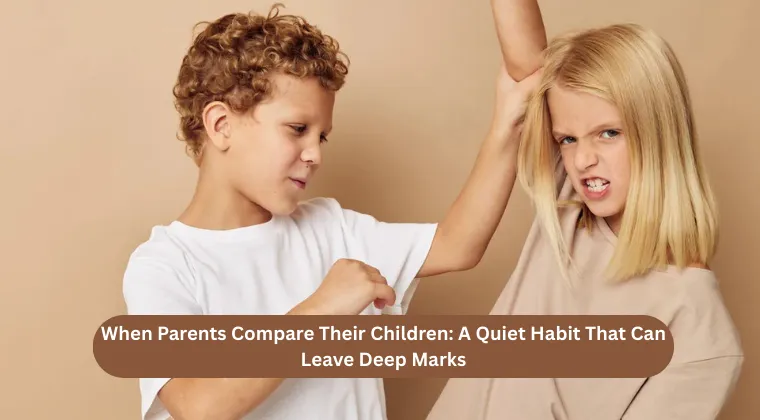
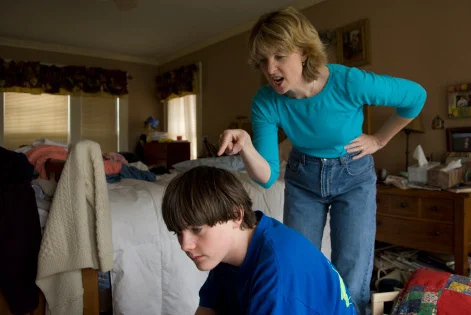
Families often speak about fairness, love, and support. Parents usually want every child to feel valued. Yet a small habit slips into many homes without much thought. Parents sometimes compare one child with another. It may sound harmless at first. A mother might say, “Why can’t you be tidy like your sister?” A father might remark, “Your brother studies harder than you.”
These words may appear simple. Sometimes they are said in frustration or even with the intention of motivating a child. Still, comparisons between siblings can slowly damage a child’s sense of self. The effects are not always visible at once. Over time, though, they shape how children see themselves, their parents, and each other.
This article looks at why parents compare siblings, what happens when this becomes a pattern, and how families can avoid the harm it brings.
Why Parents Often Compare Their Children
Parents rarely begin with the aim of hurting their children. Most comparisons happen almost automatically.
There are a few common reasons.
First, parents often notice differences in ability. One child may enjoy reading while another prefers outdoor games. One may learn maths quickly while another struggles with it. When parents point out these differences, they sometimes frame them as comparisons.
Second, parents sometimes believe comparison will push a child to improve. A parent may say, “Look how well your sister behaves in class.” The thought behind this is simple. If the child sees a good example, they may try to copy it.
Third, stress can play a role. Parenting can be exhausting. During tense moments, parents may blurt out comparisons without thinking carefully about the impact.
Even though these reasons are understandable, the results of comparison often move in the opposite direction of what parents hope.
What a Child Hears When They Are Compared
Adults often focus on the message they think they are sending. Children hear something quite different.
When a child is told that their sibling is smarter, kinder, or more responsible, the child does not simply hear advice. Instead, they often hear a judgement about their worth.
The message may sound like this in their mind:
- “I am not good enough.”
- “My parents prefer my brother or sister.”
- “No matter what I do, I will always be second.”
Even if the parent never intended this meaning, children tend to interpret comparisons personally.
This is particularly strong in early childhood, when a child’s identity is still forming. A young child depends heavily on parental approval to feel secure. When comparisons appear often, they can disturb that sense of safety.
The Emotional Weight of Constant Comparison
Imagine a child hearing the same comparison again and again over several years.
“You should study like your brother.”
“Your sister never talks back like that.”
“Why can’t you be organised like him?”
After a while, the child may begin to feel that they are permanently failing.
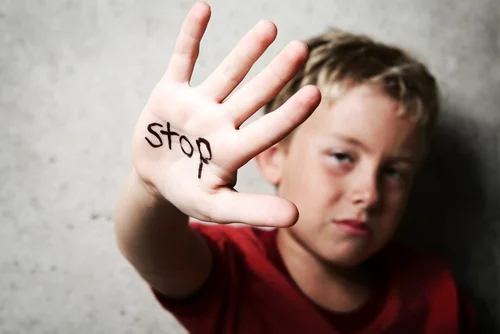
Children who grow up in such an environment often develop quiet emotional struggles. Some become withdrawn. Others become angry or defiant.
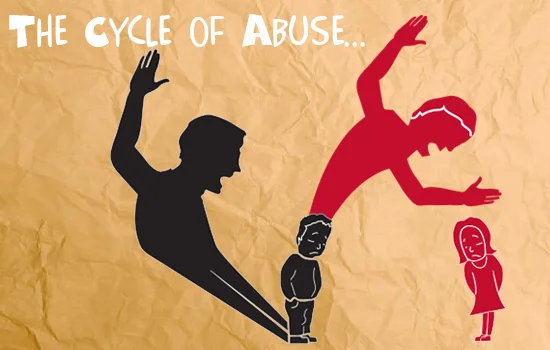
In certain cases, repeated criticism and comparison can take on a deeper emotional tone. When a child constantly hears words that belittle them, the experience may resemble verbal mistreatment. The long-term emotional effects of such language have been widely discussed in studies on family behaviour.
While not every comparison counts as abuse, the emotional impact can still be serious when it becomes a regular pattern.
The Sibling Relationship Can Suffer
Another hidden effect of comparison appears between siblings themselves.
Children naturally look to their brothers and sisters as companions. They share rooms, toys, meals, and many childhood memories. When parents frequently compare them, the relationship can become strained.
A child who is constantly praised may feel pressure to maintain that role. The child who is criticised may feel jealousy or resentment.
Instead of seeing each other as teammates, siblings may begin to compete for approval.
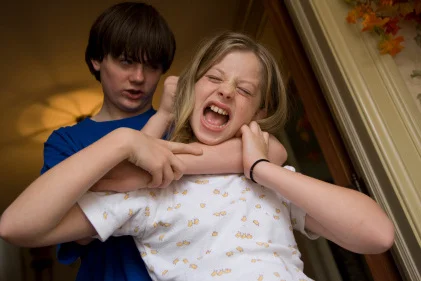
Sometimes this competition grows stronger over time. Arguments become sharper. Small disagreements turn into lasting grudges. In some households, rivalry can even develop into bullying behaviour.
Family researchers have written about this issue in detail. For further reading, this article explores how sibling aggression and bullying can emerge inside familie. When children feel that parental love is uneven, their bond with each other can weaken.
The “Golden Child” and the “Problem Child”
In many families where comparisons are frequent, children may gradually fall into roles.
One child becomes the “golden child.” This child is praised often and seen as the example to follow. Another child may become the one who is always corrected or blamed.
These roles can last for years. They are not always based on reality. A child labelled as the “difficult one” may simply have a different personality or learning style.
The labels affect both children.
The praised child may feel intense pressure to remain perfect. They may fear disappointing their parents. Meanwhile, the criticised child may stop trying altogether. If they believe they will always fall short, motivation fades.
It is a painful cycle that parents usually never intended to create.
How Comparisons Shape Self-Esteem
A child’s self-esteem develops slowly through daily experiences. The way parents speak plays a major part.
Children who feel valued for their unique qualities tend to grow with confidence. They understand that everyone has strengths and weaknesses.
Children who are frequently compared may struggle to see their own worth.
Instead of thinking, “I have my own talents,” they may think, “I am the one who is always behind.”
This belief can follow them into adolescence and adulthood.
Teenagers who have grown up under constant comparison may doubt their abilities in school, relationships, or work. Even when they achieve something meaningful, they may feel it is not enough.
Motivation Through Comparison Rarely Works
Many parents compare children because they hope to encourage improvement.
Unfortunately, comparison usually has the opposite effect.
Motivation grows best when children feel supported and capable. When they feel judged or inferior, motivation weakens.
Imagine a child who struggles with maths. If the parent repeatedly praises the sibling who excels at the subject, the struggling child may begin to avoid the subject entirely.
Instead of thinking, “I can learn,” the child may think, “I will never be as good as them.”
Encouragement works better when it focuses on effort rather than comparison.
For example, a parent might say, “I saw how hard you worked on that homework.” Such words build resilience without creating rivalry.
Small Comments Can Leave Lasting Memories
Adults often forget remarks they made in passing. Children remember them.
Many adults recall childhood comparisons even decades later. They remember hearing that a sibling was smarter, prettier, or more obedient.
These memories stay vivid because they touched something deeply personal.
Parents sometimes underestimate the emotional power of everyday words.
A simple sentence spoken during frustration can echo in a child’s mind for years.
Recognising Individual Differences
Every child arrives in the world with a unique mix of traits.
One may be quiet and thoughtful. Another may be energetic and outspoken. One child may learn languages easily. Another may shine in sports or creative activities.
These differences are normal. They are not signs that one child is better than another.
Healthy parenting recognises these individual paths. Instead of measuring children against each other, parents can observe what makes each child light up with interest.
A child who struggles in one area may flourish in another. When parents allow space for those differences, children develop confidence in their own abilities.
Practical Ways Parents Can Avoid Comparison
Breaking the habit of comparison requires awareness and patience.
Here are a few helpful approaches.
1. Speak About Effort, Not About Other Children
Instead of saying, “Your sister finished her homework quickly,” try saying, “I see you working carefully on your homework.”
The focus remains on the child’s own actions.
2. Celebrate Individual Strengths
Each child has qualities worth appreciating.
One child may show kindness to friends. Another may be curious about how things work. Mention these traits directly.
This shows children that they are valued for who they are.
3. Avoid Labels
Labels such as “the clever one” or “the naughty one” may sound harmless, yet they lock children into narrow roles.
Children grow and change constantly. It helps to keep language flexible.
4. Address Behaviour Without Comparison
When correcting behaviour, focus on the behaviour itself.
Instead of saying, “Your brother never behaves like this,” try saying, “This behaviour is not acceptable.”
The message becomes clearer and less personal.
5. Encourage Cooperation
Parents can also build teamwork between siblings. Activities that require cooperation, such as cooking together or solving puzzles, help children see each other as partners rather than rivals.
When Parents Realise They Have Been Comparing
Many parents recognise this habit only after it has already happened.
If that moment comes, it is not too late to change direction.
Parents can start by acknowledging the mistake. A simple conversation can mean a great deal to a child.
A parent might say, “I realise I compared you with your sister before. I should not have done that. You are your own person.”
Children often respond strongly to such honesty. It shows respect and care.
Parenting does not require perfection. What matters is the willingness to learn and adjust.
Building a Home Where Every Child Feels Seen
Children thrive when they feel noticed for who they truly are.
This does not mean ignoring mistakes or pretending every child is the same. Guidance and discipline remain important. The difference lies in how that guidance is delivered.
When parents replace comparison with curiosity, they begin to understand their children more clearly.
Instead of asking, “Why can’t you be like your brother?” they might ask, “What makes this difficult for you?”
The second question opens a conversation rather than closing it.
A Small Change With a Big Impact
Avoiding comparison may seem like a small adjustment. In reality, it can transform the atmosphere of a home.
Children who feel respected develop stronger trust in their parents. Siblings who are not forced into rivalry often form closer friendships.
Over time, these relationships become the foundation of family life.
One day those children will grow into adults who remember how they were treated in their earliest years. They may forget many details of childhood, but they rarely forget how their parents made them feel.
When parents choose encouragement over comparison, they give their children something quiet yet powerful: the freedom to become themselves.
And that is something no sibling rivalry can ever replace, even if the lesson sometimes takes a little longer to learn.