+1 845 259 2974 (11 a.m to 7 p.m CST)

Teen Dating Abuse: What You Can Do To Help

Think about a teenager's first relationship. It feels huge and all-consuming. The world seems to revolve around that one person. Their opinion matters more than anything. This intense feeling is normal. But sometimes, it turns into something dark and controlling. This is teen dating abuse.
It is not just drama. It is not a normal rough patch. It is a pattern of harmful behaviour. It can be emotional, digital, physical, or sexual. This abuse hurts thousands of young people. It can leave deep scars that last for years.
Seeing it happen to a young person is terrifying. Friends and family often feel helpless. They watch a happy, confident teen become quiet and sad. They see a spark go out. But help is possible. Understanding the signs and knowing how to react is the first step.
The Hidden Hurt: More Than Just Bruises
Many people think abuse means hitting. Physical violence is a serious part of it. But often, the worst damage is invisible. It happens to the mind and the heart long before any physical harm.
Teen dating abuse is about control. An abusive partner wants power over the other person. This control can take many forms.
Emotional and Psychological Abuse
This type of abuse is sneaky. It starts slowly. The victim might not even realise it is happening. Look for these signs:
- Constant Criticism: The partner makes mean comments. They disguise them as jokes. They might say, "You're so clumsy," or "That outfit looks stupid." The goal is to break down the other person's confidence.
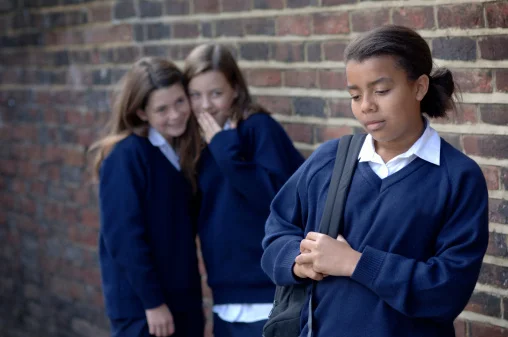
- Isolation: The abusive partner tries to cut the victim off from others. They complain about their friends and family. They say, "Your friends are a bad influence," or "Your mum hates me." They create drama every time the victim wants to see other people. Eventually, the victim stops trying. They become alone and dependent on the abuser.
- Extreme Jealousy: The partner gets angry when the victim talks to others. They accuse them of flirting. They demand all their time and attention. They might say, "If you loved me, you wouldn't need anyone else." This is not a sign of love. It is a sign of control.
- Blaming: The abusive partner never takes responsibility. They blame the victim for everything. If they get angry, they say, "You made me do this." The victim starts to believe they are always at fault. They are always apologising.
Digital Abuse
Phones and social media are a big part of teen life. Abusive partners use technology to control and frighten.
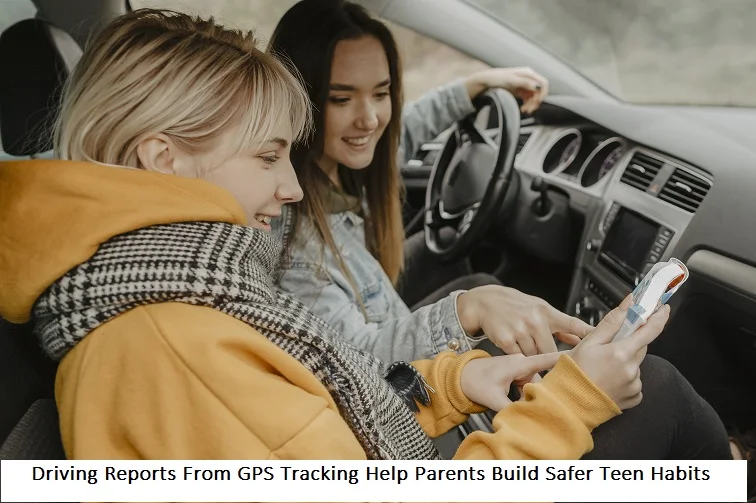
- Constant Monitoring: They expect instant replies to texts. They get angry if the victim does not answer right away. They might use location-sharing apps to track them.
- Demanding Passwords: They ask for social media and phone passwords. This is a major red flag. It is not about trust. It is about control and invasion of privacy.
- Humiliation and Threats: They might spread rumours online. They post cruel messages. A big threat is sharing private photos. This is often called revenge porn. It is illegal and used to create fear.
- Too Many Messages: At first, lots of texts can feel nice. But it can become overwhelming. It turns into a way to watch and control every move.
Physical and Sexual Abuse
When other control does not work, it can turn physical.
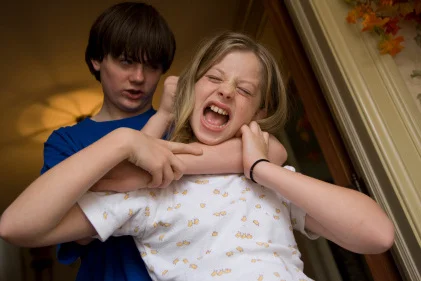
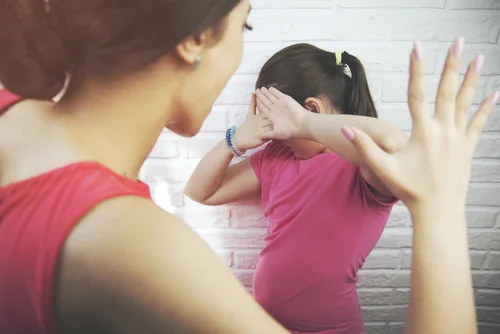
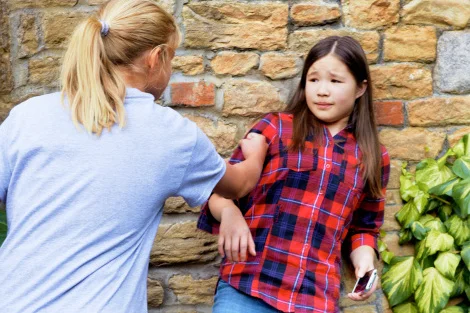
- Physical Violence: This does not always start with a punch. It can begin with a hard shove. Grabbing an arm too tightly. Blocking a doorway. Throwing things. Any physical harm is abuse.
- Sexual Abuse: This is any sexual activity without consent. Consent means both people freely agree. Pressuring someone, guilting them, or forcing them is abuse. A person who is scared to say "no" is not consenting.
Why It's Hard to Leave
From the outside, leaving seems simple. But it is very difficult. There are many reasons a teen might stay.
- Fear: They are afraid of what the partner will do. They might fear physical harm. They might fear the partner will hurt themselves. They might fear the partner will share their private photos.
- Love: Feelings do not just disappear. The victim remembers the good times. They believe the partner's promises to change. They hope the nice person they fell for will return.
- Shame: They feel embarrassed. They do not want to admit the relationship is bad. They worry people will say, "I told you so."
- Low Self-Worth: The abuse makes them feel worthless. They believe no one else could want them. They think they deserve the bad treatment.
- No Support: The partner has isolated them. They feel they have nowhere to go. Leaving feels lonely and scary.
How to Help
Helping a teen in an abusive relationship requires patience. The goal is to support them, not to force them.
1. Recognise the Signs
Notice changes in behaviour. Is the teen suddenly withdrawn? Have they stopped seeing their friends? Do their grades are dropping? Do they seem anxious or sad? Do they jump when their phone beeps? Do they make constant excuses for their partner? Trust these signs.
2. Start a Conversation
Talking about it is hard. The right approach is crucial.
- Pick a Good Time: Talk in private when you will not be interrupted. A calm car ride can work well.
- Use "I" Statements: Show concern without blaming. Say, "I've noticed you seem sad lately, and I'm worried." Or, "It seems like you're always upset after talking to your partner." This feels less like an attack.
- Listen Carefully: Let them talk. Do not interrupt. Do not offer quick solutions. Show you understand. Say, "That sounds really hard." Make them feel heard.
- Avoid Insults: Do not call the partner names. This will make the teen defensive. Instead, talk about the partner's actions. Say, "It worries me that he calls you names," or "I am concerned she controls who you see."
3. Offer Support
Leaving takes time. Your steady support is vital.
- Remind Them It's Not Their Fault: Say this clearly and often. "This is not your fault. You deserve to be treated with respect."
- Help Reconnect with Friends: Gently encourage them to see old friends. Help them rebuild their support network.
- Empower Them: Give them back their power. Ask, "What do you want to do?" Help them think about their options. Let them make the decisions.
- Share Resources: Give them numbers for help. Sometimes it is easier to talk to a stranger.
4. Plan for Safety
If there is physical danger, safety comes first.
- Make a Safety Plan: This is a practical plan for leaving or for a crisis. It can include having a packed bag at a friend's house. Knowing a safe place to go. Having a code word to signal for help.
- Get Outside Help: In an emergency, call the police. Schools have staff to protect students. Talk to a teacher or a school counsellor. Revenge porn is illegal and should be reported.
A Final Note
Helping someone in this situation is emotionally draining. It is frustrating and scary. It is important to look after your own well-being too. Talk to a friend or a support helpline.
To any young person in this situation: You are valuable. You deserve a relationship that makes you feel safe and happy. You deserve kindness and respect. What is happening to you is wrong. It is abuse. Telling someone is the bravest step you can take. A teacher, a friend's parent, or a helpline can listen. They can help. You do not have to face this alone.