+1 845 259 2974 (11 a.m to 7 p.m CST)

When Kids Are Bullied About Their Weight: A Guide for Worried Parents

Seeing a child come home from school sad is a hard thing. Something is wrong. Sometimes the child will talk about it. Sometimes the child stays quiet. A big problem in schools is bullying about weight. This is called fat-shaming.
This is a sad and difficult subject. It hurts the child. It also hurts the parent. This article will help explain the problem. It will talk about what fat-shaming looks like. It will talk about how it hurts a child. And it will talk about steps to help. Every child should feel safe and happy. This is a guide for making that happen.
What Fat-Shaming Looks Like
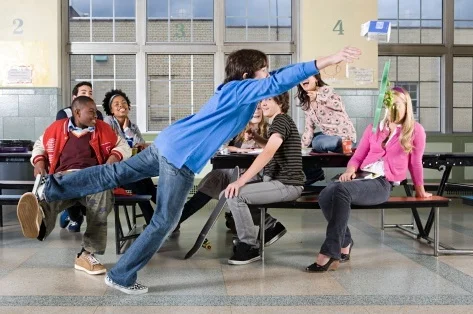
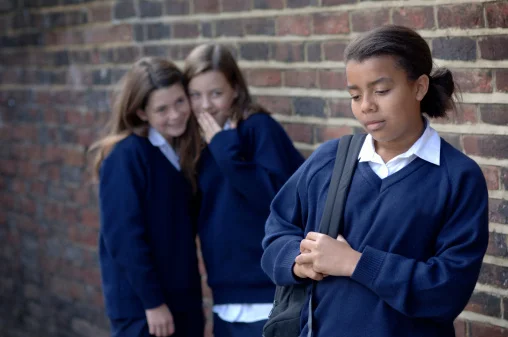
Bullying about weight can be different things. It is not just one thing. Some bullying is loud and easy to see. Other bullying is quiet and hard to see. Both kinds hurt a lot.
The Easy-to-See Bullying
This bullying is clear and direct.
- Names: Children use mean names like "fatty" or "whale."
- Noises: Children make animal sounds like mooing.
- Being Left Out: A child is not allowed to play games or sit with others. Other children might say, "You are too slow for our team."
- Food Comments: Other children look at their lunch and say, "You should not eat that."
This kind of bullying is obvious. A child might cry about it. They might tell a parent what happened.
The Hard-to-See Bullying
This bullying is more confusing. It often comes from people the child knows.
- From Teachers: A gym teacher may get annoyed with a slower child. The teacher might sigh or look angry.
- From School Staff: A school nurse might send a letter home only about the child's weight. The letter does not talk about the child's good grades or kind heart.
- "Jokes": Friends might make constant jokes about size. They say it is just fun. But the jokes always hurt. The child feels they cannot complain.
Online Bullying
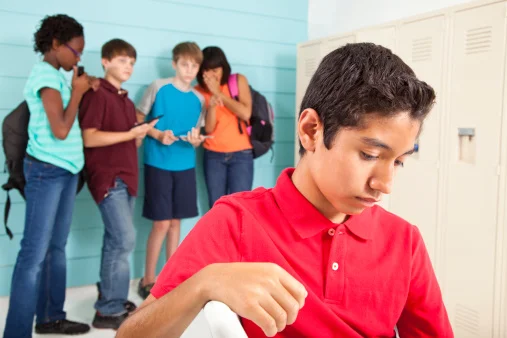
This happens on phones and computers.
- Mean messages about photos.
- Group chats where people laugh at the child.
- Private messages that say cruel things.
This quiet bullying is dangerous. The child may not know it is bullying. They may start to believe the mean words. This can break their spirit.
How This Bullying Hurts a Child
This pain is more than a few tears. Bullying about weight can cause long-term harm.
1. It Breaks Their Confidence
A child's sense of self is fragile. Constant mean words make them feel worthless. They stop thinking "my body is bad." They start thinking "I am bad." They feel unlovable and wrong. This is a very heavy feeling for a child.
2. It Harms Their Feelings
The stress of daily bullying is too much for a child.
- Worry: The child may feel sick before school each day.
- Sadness: The child may feel a deep, lasting sadness.
- Loneliness: The child pulls away from friends and family.
- Avoiding School: The child may cry and refuse to go to school. They may fake being sick.
In the worst cases, this pain can lead to very dark thoughts. This bullying must be taken seriously.
3. It Makes Food and Exercise Scary
The things that keep people healthy become sources of fear.
- Food: The school cafeteria becomes a scary place. The child might throw away their lunch. They might start hiding food. Or they might stop eating enough. This can lead to serious health problems.
- Exercise: Sports day or gym class becomes a nightmare. It is not fun. It is a chance to be embarrassed. The child is afraid of being last or being laughed at. So they learn to hate moving their body.
The bully wants to make the child feel small. Often, they succeed.
4. School Work Suffers
A child cannot focus on lessons when they are sad and scared. Their mind is full of worry. They are thinking about how to avoid the bullies. They are too tired from sadness to learn. Their grades often go down.
What Schools Do About It
Parents trust schools to keep children safe. But many schools do not handle this problem well. This is very frustrating for parents.
Rules That Do Not Work
Most schools have a "no bullying" rule. But for weight bullying, they often do nothing. They may say it is "just teasing." They may tell the child to "be tougher." This is not a solution. It tells the bullied child that no one cares. It tells the bully that their behavior is okay.
Programs That Cause More Harm
Some schools try to fight "childhood obesity" with special projects. These can make things worse.
- Weight-Loss Contests: These are like games where kids try to lose weight. This publicly shames bigger children.
- Weighing Kids in Class: Weighing children in front of everyone.
- Food Charts: Charts that reward "good" lunches and shame "bad" ones.
These programs single out bigger children. They make them feel like a problem. This is the wrong thing to do.
What Parents Can Do: A Simple Guide
Parents are a child's best protector. Here are steps to take.
Step 1: Make Home a Safe Place
Home must be a place of total love and acceptance.
- Stop Talking About Food: Do not call food "good" or "bad." Do not talk about "guilty" pleasures. Just share meals together as a family.
- Be Kind About Bodies: Do not say mean things about your own body. Do not talk about diets. Do not judge other people's bodies. Teach that all body shapes are okay. Talk about what bodies can do, like hug and run and play.
- Listen Calmly: If the child talks, just listen. Hold their hand. Let them speak. Do not get angry right away. First, make them feel heard. Say, "That sounds very painful. I am sorry that happened." Calm support is everything.
Step 2: Look for Signs (When the Child is Quiet)
Children often hide their pain. Watch for clues.
- Not wanting to go to school.
- Eating much more or much less than before.
- Trouble sleeping at night.
- Acting sad or angry more often.
- Not wanting to see friends.
- School grades getting worse.
These signs mean it is time to gently ask what is wrong.
Step 3: Take Action at the School
If a child is being bullied, action is needed.
- Write Everything Down: Keep a notebook. Write the date, what happened, and who was involved. This is important evidence.
- Talk to the Teacher: First, have a calm talk with the teacher. Explain the problem. See if the teacher will help.
- Talk to the Headteacher: If the teacher does nothing, talk to the headteacher. Be firm but polite. Bring the notebook. Explain how the bullying is hurting the child.
- Do Not Give Up: If the headteacher does nothing, write to the school governors. A complaint can be made to Ofsted. A child's safety is worth this fight.
Step 4: Help the Child Feel Stronger
Parents can teach a child ways to feel more powerful.
- Practice a Reply: Help the child think of a short answer. It could be, "That is not nice," or "Please stop." The goal is to show the bully they are not an easy target.
- Find a Safe Person: Help the child find a nice teacher or a good friend they can trust. They should not face the bullies alone.
- Find a Happy Hobby: Help the child find a fun activity outside of school. It could be art, sports, music, or anything they enjoy. This gives them a place to feel successful and happy. It builds confidence.
A Final Thought
Being a parent is hard work. Seeing a child in pain is the worst part. Bullying about weight is a real problem. But parents are not powerless. Love and action can make a big difference. A child is more than a body. A child is a person with a kind heart and a clever mind. They deserve to be seen for who they are inside.
Parents can be a strong voice for their child. Parents can fight for their child's right to be happy and safe. Make sure the child knows, every day, that they are loved exactly as they are. This is the most important job.